

Blog - Date posted: 01/12/2025 - Date updated: 23/06/2026
Thinking About a Wheelchair Lift for Home? Here’s What You Need to Know
Improve your home’s accessibility and daily comfort with a wheelchair lift. Discover how Cibes provides tailored solutions for every space.
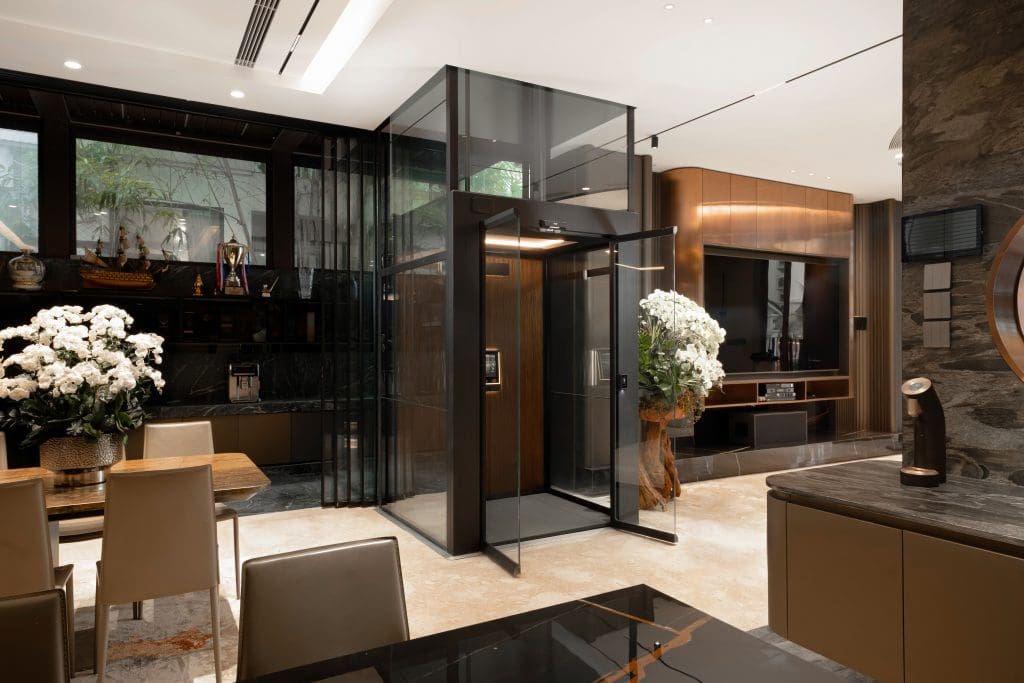
What Is a Wheelchair Lift for Home?
A wheelchair lift is a mechanical platform or cabin designed to transport individuals using wheelchairs safely between different levels of a home or building. These lifts are built to be intuitive and comply with accessibility standards. Available in various brands, sizes, and designs, wheelchair elevators offer versatile usability that often increases a building’s value more than traditional stairlifts or inclined platform lifts. Unlike stairlifts, which serve only those with mobility challenges, wheelchair lifts are suitable for all users, providing convenience and accessibility for everyone in the household.
Types of Wheelchair Lifts for Homes
When it comes to improving home accessibility, not all lifts are created equal. Choosing the right type of wheelchair lift depends on your home’s layout, available space, and specific mobility needs. Understanding the different options can help you select a solution that is both practical and safe, ensuring comfort for every member of your household.
- Vertical Platform Lifts (VPL): A straight-up lift that moves vertically between floors, consisting of a single moving platform inside a lift shaft. Users remain on the platform, which provides a clear view through the shaft from the ground floor to the top floor, allowing safe and uninterrupted travel without leaving their wheelchair.
- Inclined Platform Lifts (IPL): A lift that travels along the slope of an existing staircase, providing wheelchair access without major renovations. Best suited for straight or slightly curved stairs.
- Cabin Elevators: A cabin elevator is a vertically moving lift designed like a fully enclosed box with four solid walls/glass and a door system, similar to a traditional commercial elevator but designed for residential use. Cabin elevators are ideal for multi-level homes where families want a long-term accessibility solution that combines safety, convenience, and modern interior styling.
| Type of Lift | Pros | Cons | Best Use/Space |
| Vertical Platform Lifts (VPL) | – Occupies very little space – No need for deep pit, sometimes only 0–60 mm – Cost-efficient compared to cabin elevators – Quick installation with minimal renovation | – Open design may not be as private as cabin elevators – Slower travel speed and less sound insulation compared to cabin elevators | – Small houses or compact spaces – Projects where pit excavation is difficult |
| Inclined Platform Lifts (IPL) | – Does not require major structural modifications – Provides wheelchair accessibility without removing stairs – Suitable for straight or slightly curved staircases | – Limited design and aesthetic options – May not be suitable for very steep or complex staircases – Users often must transfer from their wheelchair to the lift, requiring assistance and limiting independence | – Homes with existing staircases where major renovations are not feasible |
| Cabin Elevators | – Many models and customization options – Premium look, fits luxury and modern interiors – Familiar and easy to use for all ages | – Higher cost – Requires more installation space | – Multi-story homes – Homes prioritizing comfort, style, and long-term convenience – Suitable for families with elderly or children |
Home Wheelchair Lifts: What Budget Should You Prepare?
| Type of Wheelchair Lift | Typical Price Range (USD) |
| Vertical Platform Lifts (VPL) | ~30,000 – 40,000 USD |
| Inclined Platform Lifts (IPL) | ~ 8,000 – 25,000 USD |
| Cabin Elevators | ~25,000 – 70,000+ USD |
Understanding the cost of a home wheelchair lift is an essential step for anyone planning to improve accessibility at home. Vertical Platform Lifts (VPLs) and Inclined Platform Lifts (IPLs) are generally more affordable solutions for short distances or simple home layouts. They provide reliable mobility without requiring major construction work, making them a practical choice for many households.
On the other hand, a full home elevator represents a higher investment. While the upfront cost is higher, the benefits in daily convenience, safety, and independence make them a worthwhile long-term solution.
When planning your budget, consider both the immediate cost of the lift and potential additional expenses such as installation complexity, structural modifications, and optional safety or design features. By evaluating your home layout, family needs, and mobility goals, you can choose the lift that balances affordability, convenience, and long-term value – ensuring a solution that supports independent living for everyone in your household.


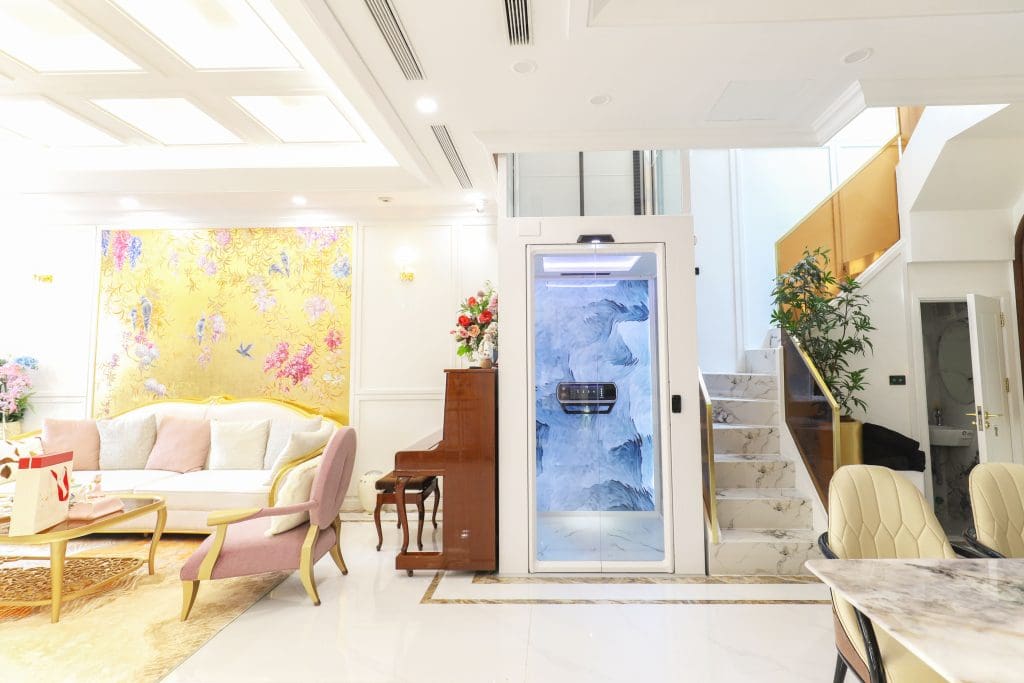
Why You Should Consider a Wheelchair Lift?
Creating an accessible home goes beyond convenience – it’s about safety, independence, and inclusive living. According to the World Health Organization (WHO), around 1.3 billion people worldwide live with a significant disability, roughly 1 in 6 globally. Accessible features, like wheelchair lifts, ramps, and step-free entrances, not only support those with mobility challenges but also benefit family members, caregivers, and visitors, reducing the risk of falls, which WHO reports affect 1 in 3 adults over 65 each year, often at home.
Modern wheelchair lifts provide more than mobility – they transform daily life. Here’s why installing one is a smart choice:
- Safe and Reliable: Minimizes the risk of accidents, protecting wheelchair users and elderly residents.
- Effortless Independence: Allows daily movement without assistance, fostering confidence and freedom.
- Space-Smart Design: Compact lifts fit seamlessly into homes with minimal modifications.
- Long-Term Value: Enhances home accessibility, increases property value, and supports comfortable aging in place.
Whether upgrading an existing home or designing a new one, a wheelchair lift isn’t just a convenience – it’s an investment in accessibility, comfort, and quality of life.
Before You Buy: The Wheelchair Lift Checklist You Shouldn’t Miss
Choosing the right wheelchair lift is about more than just dimensions – it’s about safety, comfort, and everyday practicality. Here are a few essential things to keep in mind before making your decision:
- Measure your wheelchair carefully. Check both the width (including wheels) and length (including footrests), then add at least 10 cm to each side to ensure enough space inside the lift cabin.
- Assess the available space. You’ll need approximately 1.5 x 1.5 meters of clear area in front of each landing so that a wheelchair can turn smoothly when entering or exiting the lift.

- Operation type. Some lifts use a hold-to-run system, which requires keeping pressure on the button while moving. Others offer automatic one-touch control – ideal for users who need a simpler, more convenient operation.
- Accessibility options. Consider features that improve independence and ease of use, such as automatic door openers, remote or elbow call buttons, voice announcements, and floor-level indicators.
- Safety and certification. Always ensure your wheelchair lift complies with European safety standards (EN 81-41 or equivalent) and includes essential safety mechanisms like emergency lowering and battery backup.

- Maintenance and after-sales service. Regular servicing ensures long-term reliability and smooth performance. Choose a supplier that offers local support and readily available spare parts.
If you’re unsure which model fits your home or mobility needs, our Cibes experts are here to provide personalized guidance and on-site consultation to help you make the best choice.
Why Cibes is the Ideal Choice?
Cibes home elevators meet and exceed international accessibility standards, combining Swedish engineering, modern design, and user-centered safety to create a lift that truly empowers independent living.
| Home Elevators for Wheelchair | Cibes Lift | |
| Speed | Safe and stable for home use | Certified to meet European safety and quality standards (0.15 m/s) |
| Glass Design | Safety and quick assistance | A transparent glass cabin allows quick visibility and support when needed An open view keeps users relaxed and free from any feeling of confinement Scandinavian design adds light, comfort, and modern elegance |
| Floor & Landing Design | Safe and seamless access | Minimal step height, flush cabin/landing floor, slip-resistant & moisture-proof surfaces (laminate, vinyl, wood, or leather) Easy to clean, no thick carpets |
| Backup & safety systems | Emergency power, sensors, alarms | Fully integrated safety features EC certified and compliant with the Machinery Directive 2006/42/EC, as well as European standards EN 81-41:2010 and EN 81-20:2020 |
| Accessible space | ADA 1500 × 1500 mm reference | Available in 41 sizes to fit any home |
| Door | Easy access for wheelchair users | Door handles and locks are installed at wheelchair-accessible height Smart automatic saloon door or single large swing door |
| Controls & Handrails | Accessible operation for all users | Control panels at 900–1100 mm, tactile buttons and LED contrast for vision/hearing-impaired, optional remote control Handrails at 850–900 mm, sturdy metal with rounded edges |
Cibes home elevators come in up to 41 different sizes, with a special compact option measuring 1460×1060 mm – the minimum size designed to comfortably fit a wheelchair while providing a smooth and safe ride.
What Are the Key Specs and Installed Projects of Cibes Elevators in Cambodia?
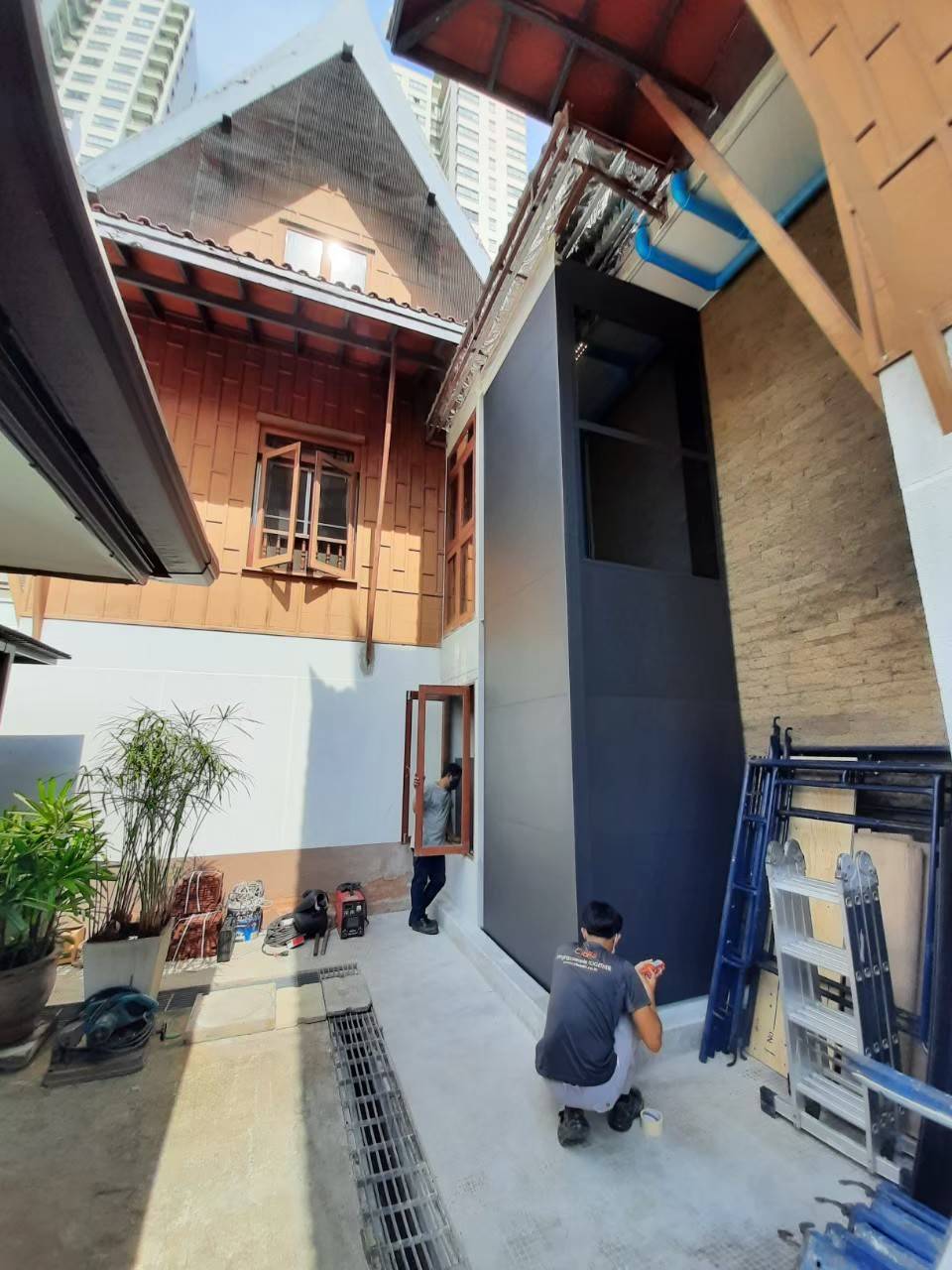
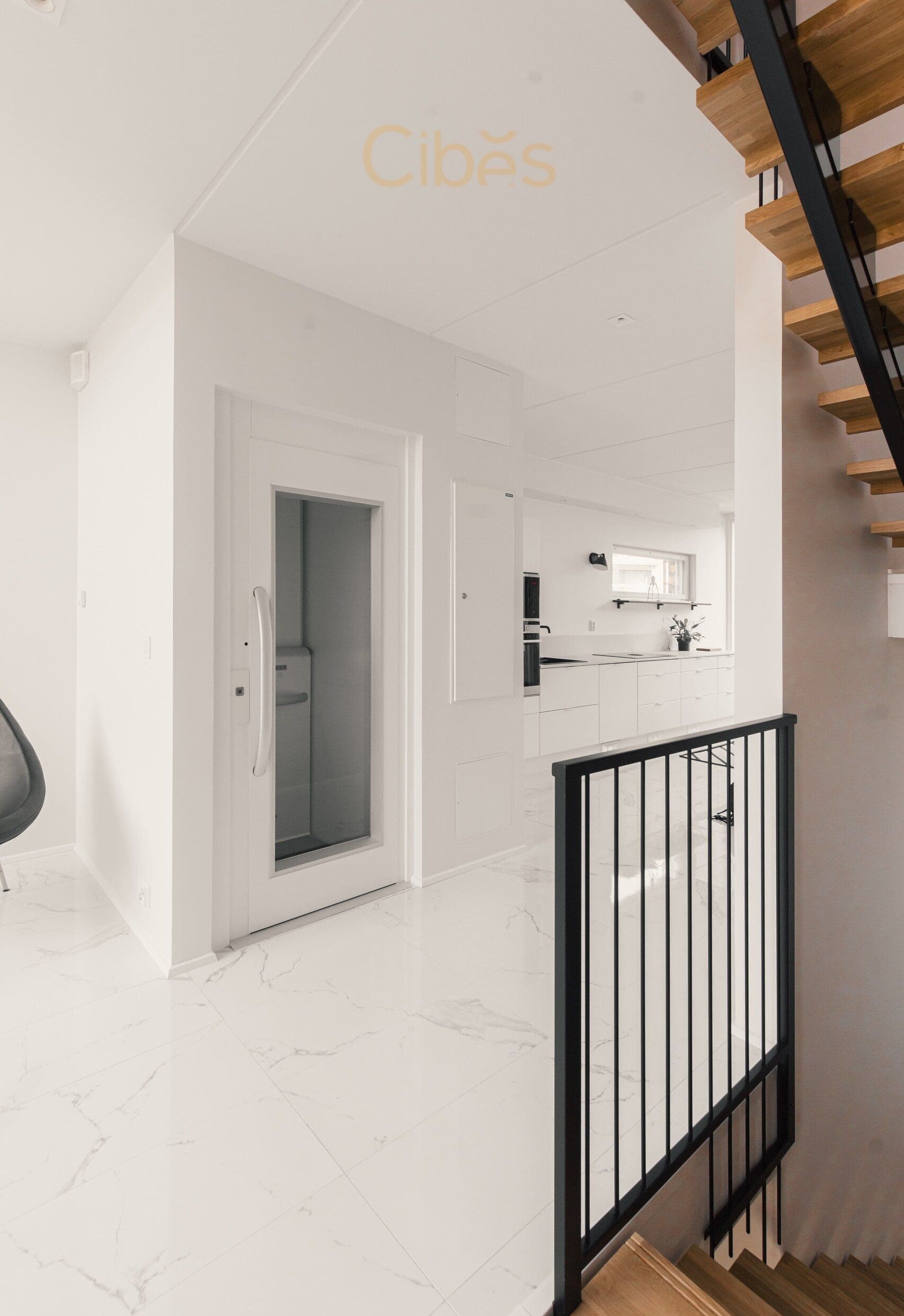
If you’re considering a home elevator in Cambodia, understanding both the technical specifications and real-world installations is essential. Cibes lifts are widely recognized for their screw-driven technology, safety, and reliability in residential settings. Below, we highlight the key specs of our models and showcase several completed projects across Cambodian homes, helping you see how these elevators perform in real-life environments.
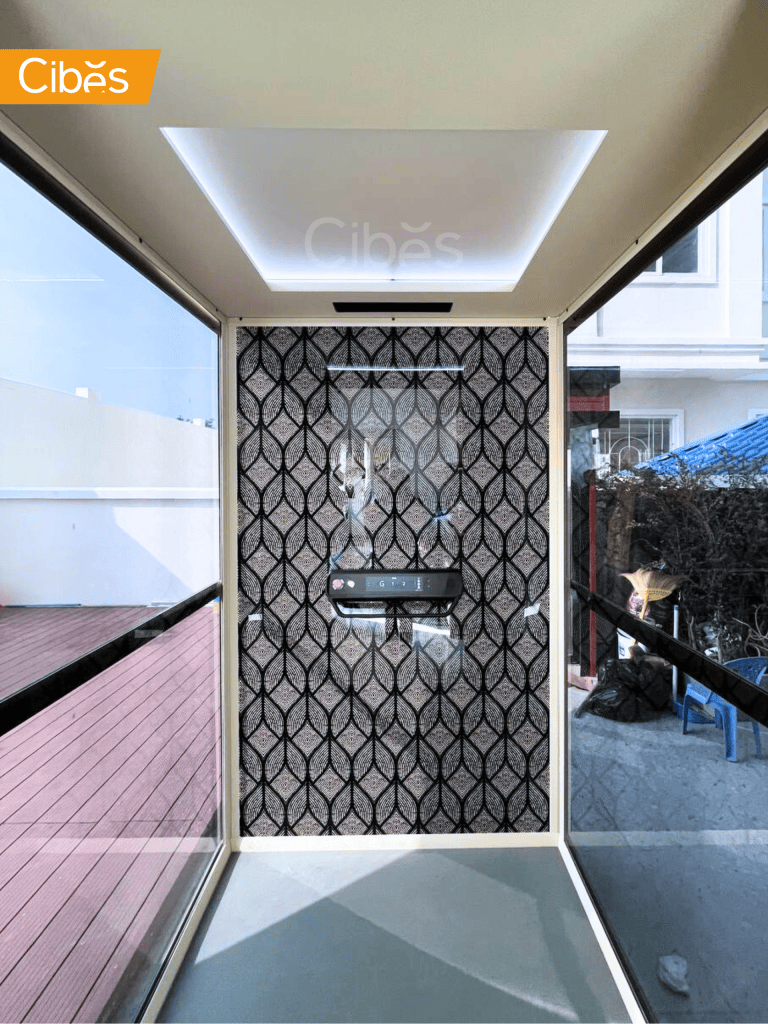
Elevator Specifications:
Model: V90 Galaxy
Load: 400kg
Number of stops: 3
Cut-out size: 1440x1570mm

Elevator Specifications:
Model: V80 Galaxy
Load: 400kg
Number of stops: 4
Platform size: 1110×1415mm
Cut-out size: 1440×1540mm
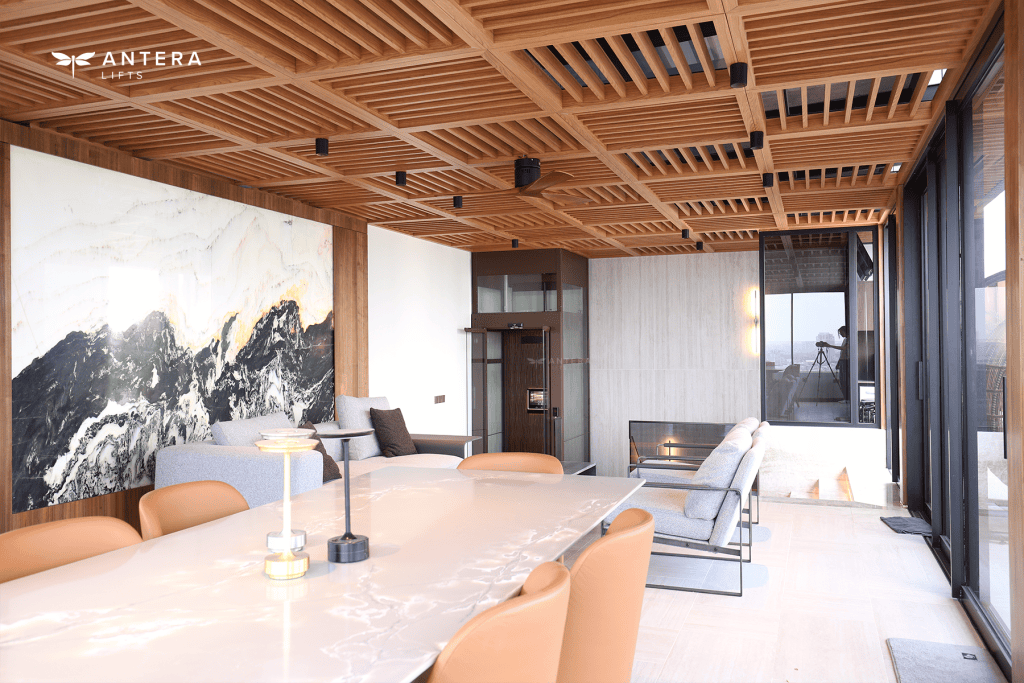
Elevator Specifications:
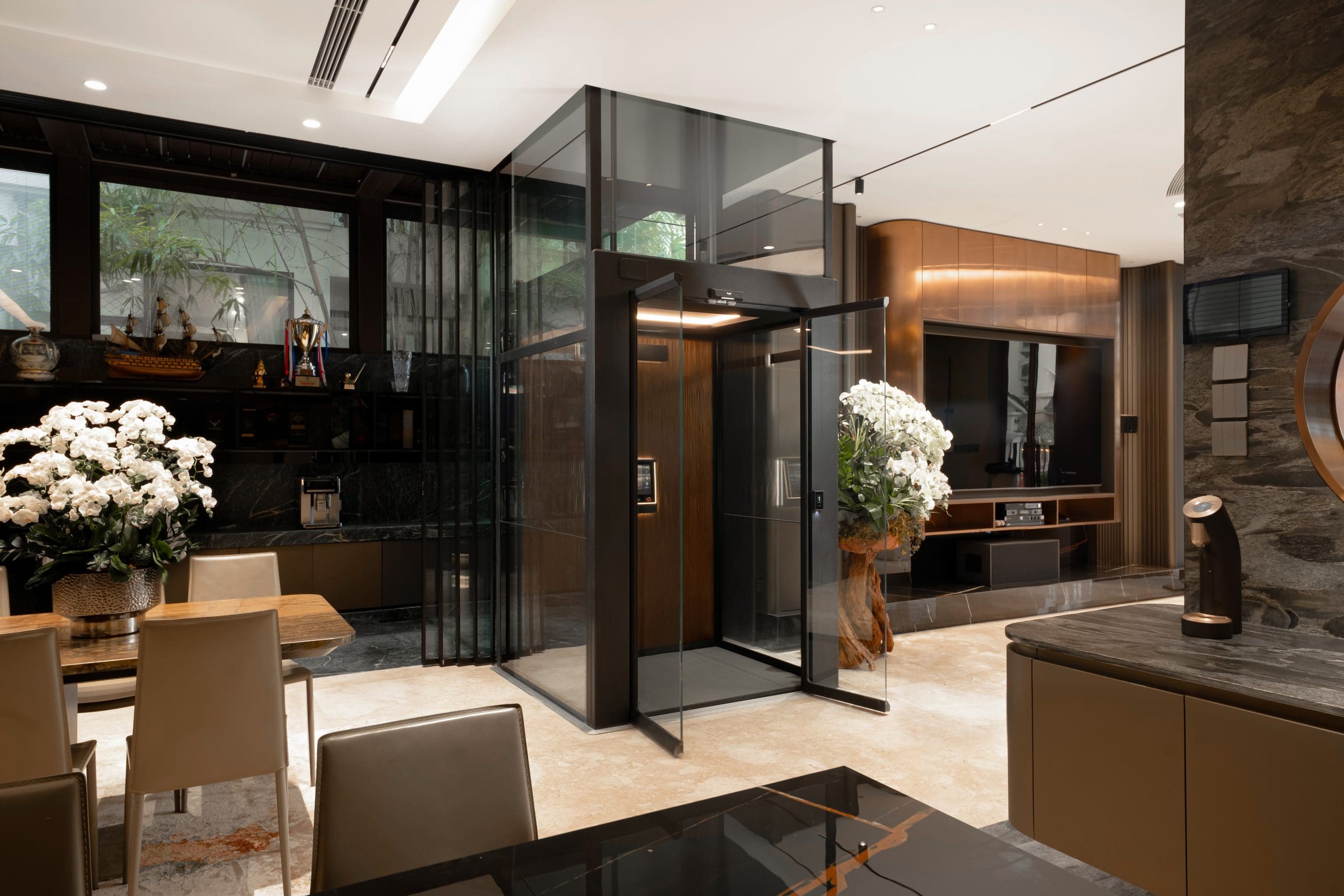
Model: Antera Z90
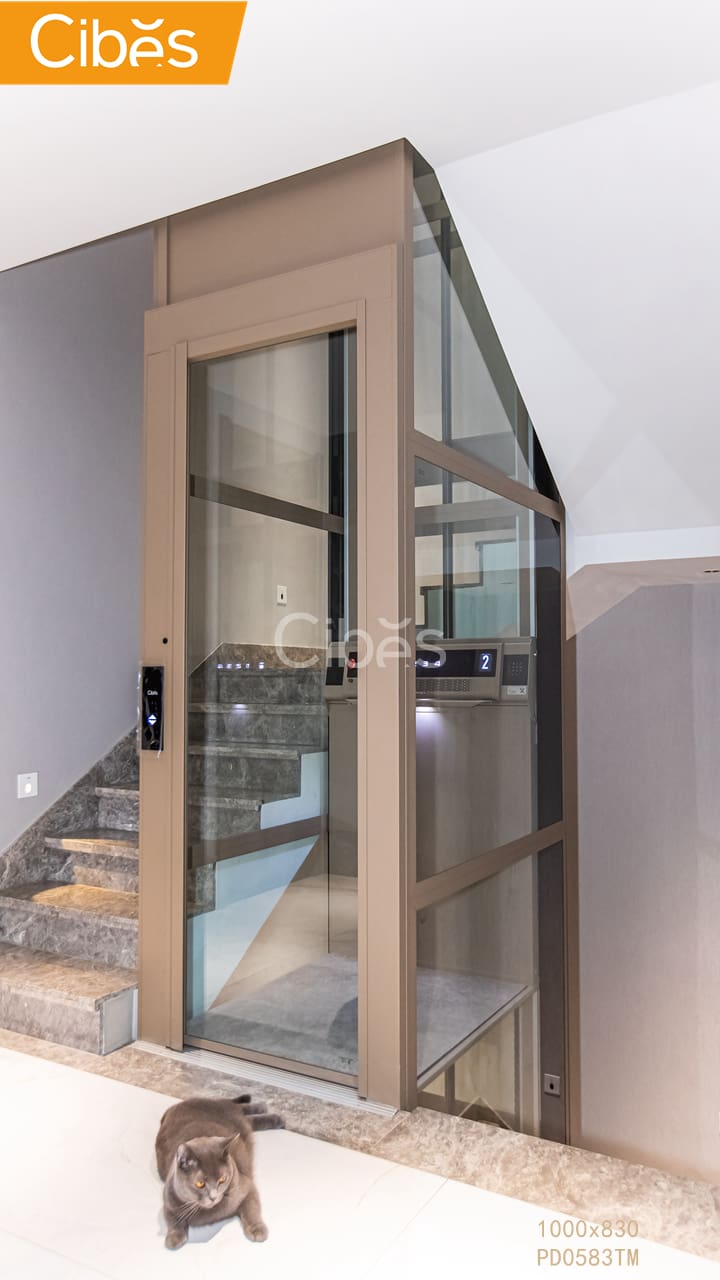
Color: Cedar Brown
Number of stops: 3
Cabin size: 1010x1115mm
Cut-out size: 1360x1260mm
Wheelchair Lift Frequently Asked Questions
- www.cibescambodia.com
- Hotline: 011 837183/093 837183
- Showroom: Near Chipmong 271 Mega Mall, House 261, Commercial Street, Phnom Penh, Cambodia

Kahna Pov is the Country Manager of Cibes Lift Cambodia, the official subsidiary of Cibes Lift Group from Sweden. With over 4 years of experience advising on residential lift solutions and coordinating projects, she has supported homeowners, architects, and project teams across Cambodia in selecting Cibes screw-driven lifts that are safe, space-saving, and well suited for private homes.





TL;DR: An imported lift can improve access to a villa, townhouse, or renovated home. Yet the word “imported” doesn’t prove that a lift is safe or suitable. Check the manufacturer, exact model, safety documents, usable space, shaft requirements, power supply, installation scope, warranty, maintenance plan, and spare-parts support in Cambodia. Arrange a site survey and […]
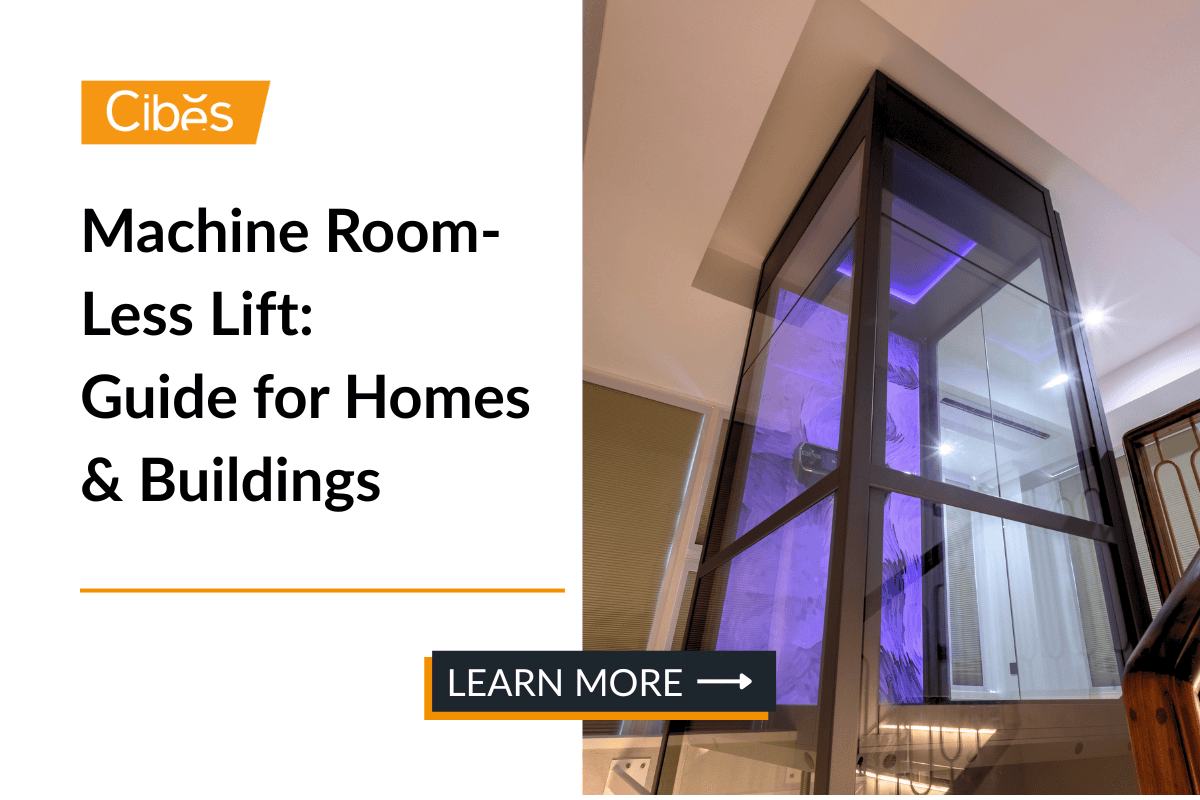
Whether you’re building a new home, renovating an ex isting property, or planning a commercial project, choosing the right elevator is an important decision. One of the most popular options today is the machine room-less lift. Unlike traditional elevators that require a separate machine room, a machine room-less lift integrates the drive equipment into the […]

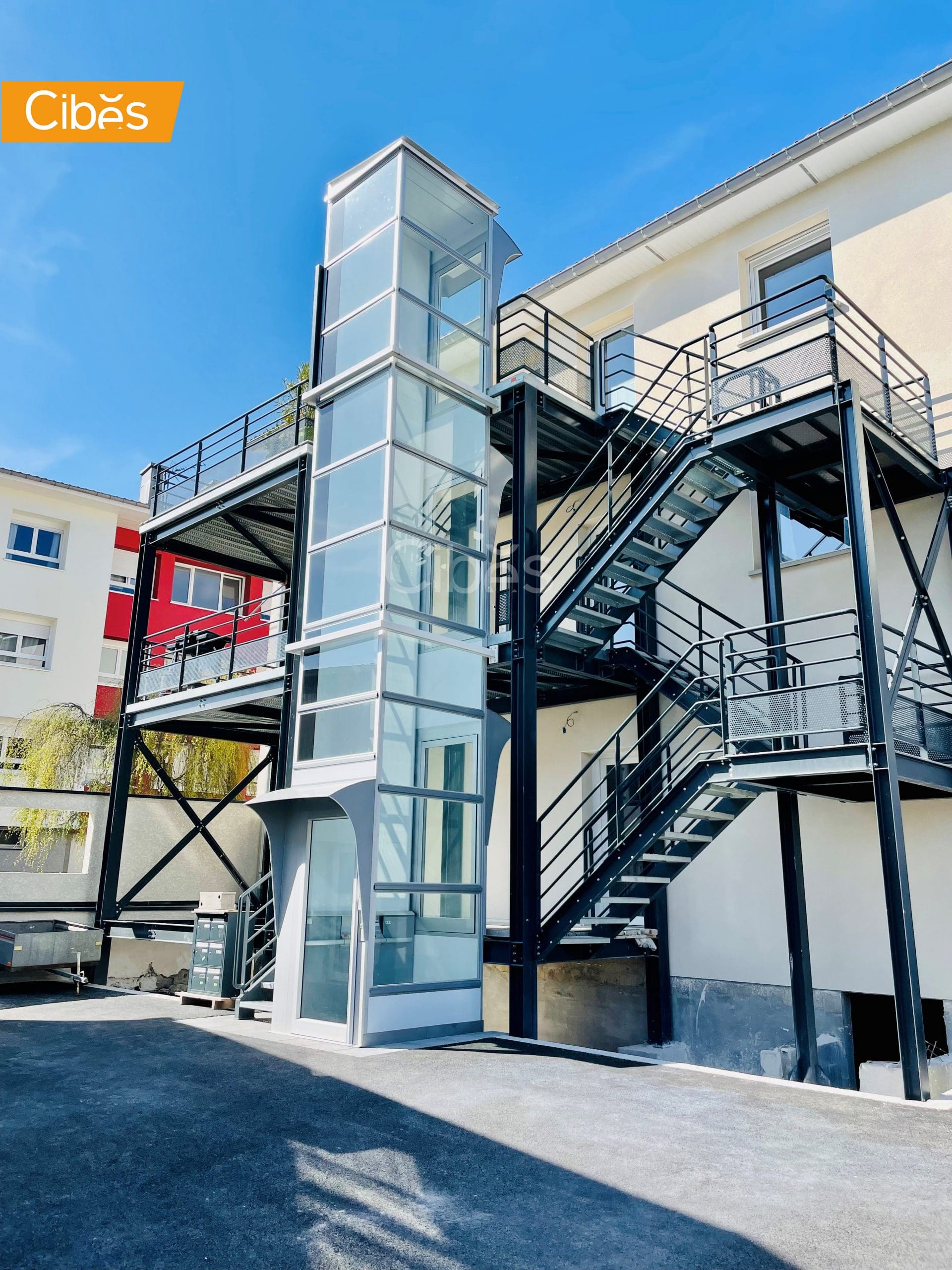
In Cambodian villas, borey houses and shophouses, a home elevator can be installed in the middle of the staircase, beside the stairs, in an open stair void or outside the house. The right location depends on the available space, staircase design and structural conditions. TL;DR The best location for a home elevator depends on your […]
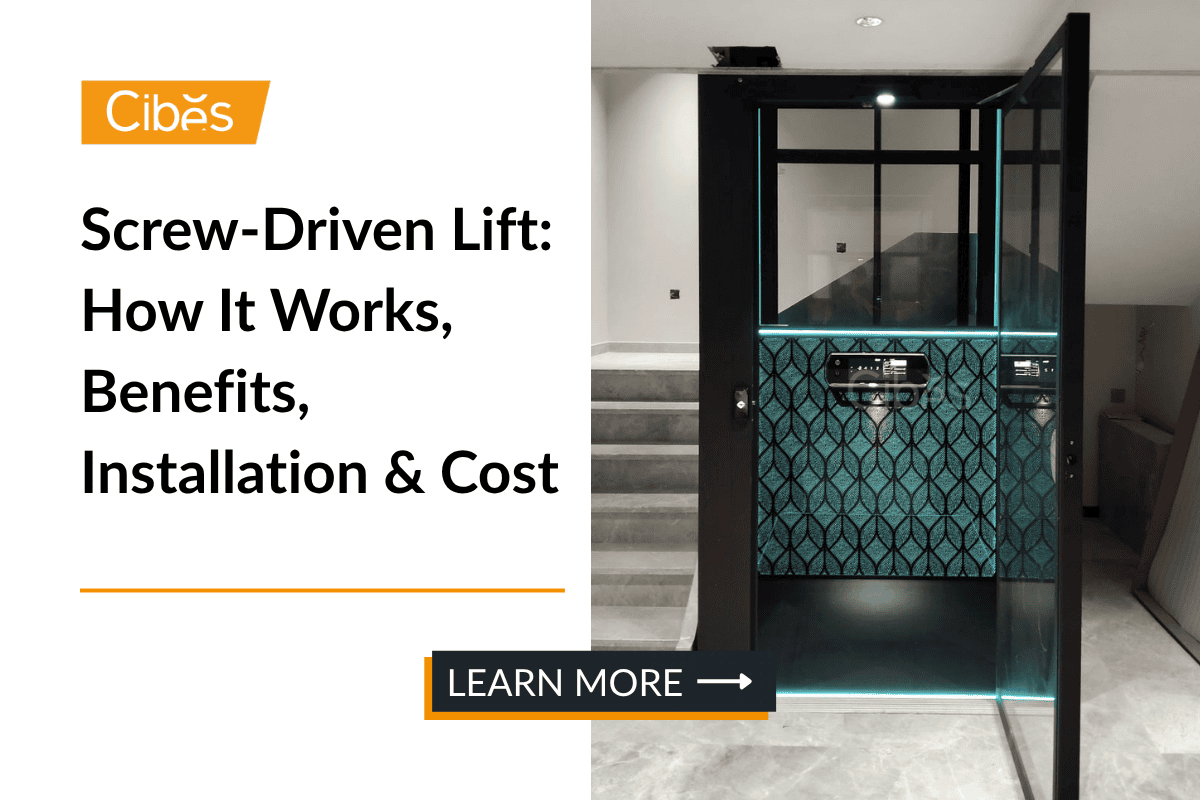
A screw-driven lift is a compact home lift that moves a lift with a motor, steel screw and drive nut. For Cambodian villas, borey houses, clinics and small buildings, it is often chosen because it can work without a machine room and with a shallow pit or ramp, depending on the model and site condition. […]
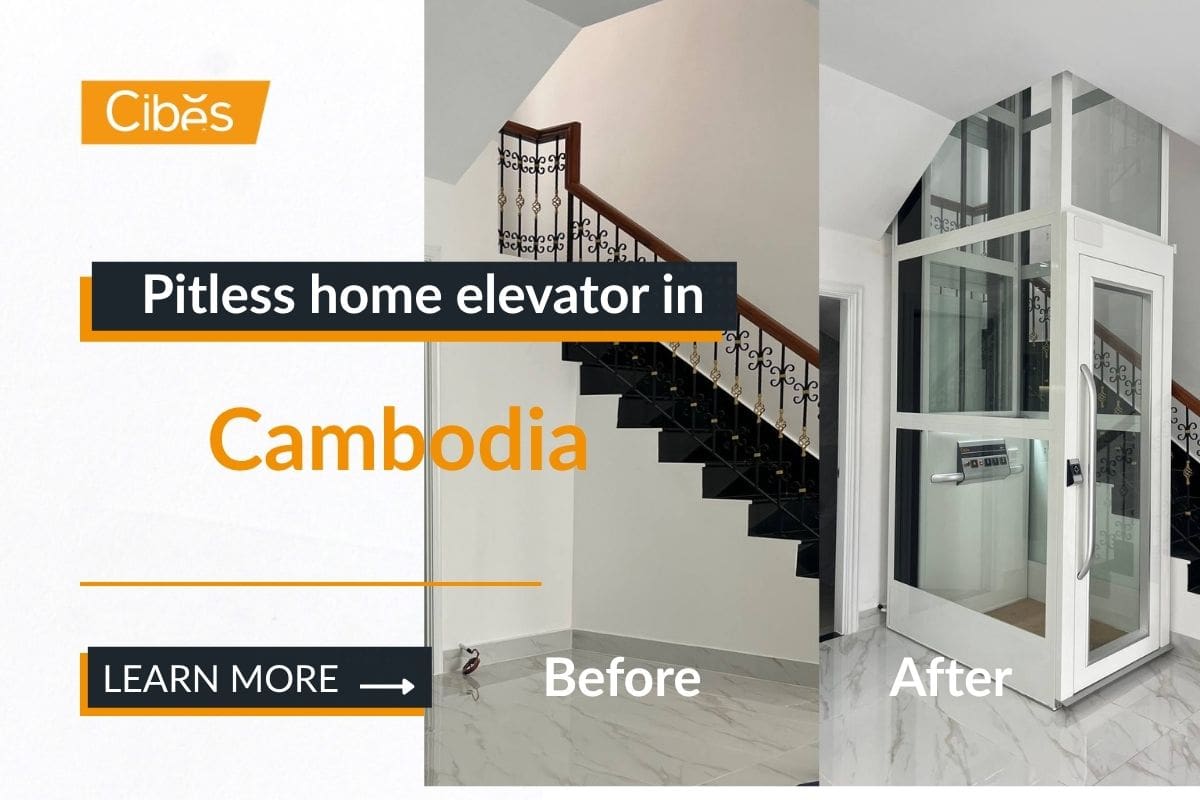
A pitless home elevator is a residential lift that operates with little or no pit below the lowest landing. A traditional home elevator needs a pit of about 600 to 1500 mm. A pitless lift works with 0 to 120 mm, so it can sit on a finished floor with minimal building work. TL;DR: This […]