

Blog - Date posted: 07/05/2026 - Date updated: 23/06/2026
Adding an Elevator to an Existing Home: A Complete Cost Guide
TL;DR
Adding an elevator to an existing home usually costs around USD 15,000 to USD 40,000+, depending on the lift type, number of stops, size, civil work, finishing, and installation conditions. For many homeowners, the total budget includes five main parts: equipment, installation, site preparation, finishing work, and long term ownership costs like electricity and maintenance. The lift price matters, of course, but the real number is the full installed cost.
How should you choose a home lift for an existing home?
Homeowners usually add a home elevator for comfort, accessibility, and future planning. Stairs can become harder over time, especially for older family members, young children, or anyone carrying groceries, luggage, or laundry between floors.
For an existing home, the choice is not only about the lift itself. Homeowners should also consider:
- Available space
- Number of stops
- Pit or ramp requirement
- Ceiling height
- Power supply
- Safety features
- Installation time
- Impact on the home’s structure
- Interior design and finishing
- Local after-sales service in Cambodia
A well chosen home lift should make daily life easier without creating too much construction work. It should fit neatly into the house, support long term use, and match the way the family lives every day.
For many Cambodia homes, especially villas, townhouses, and shophouses, the best lift is often the one that reduces hidden construction work while still meeting safety, comfort, and design needs.
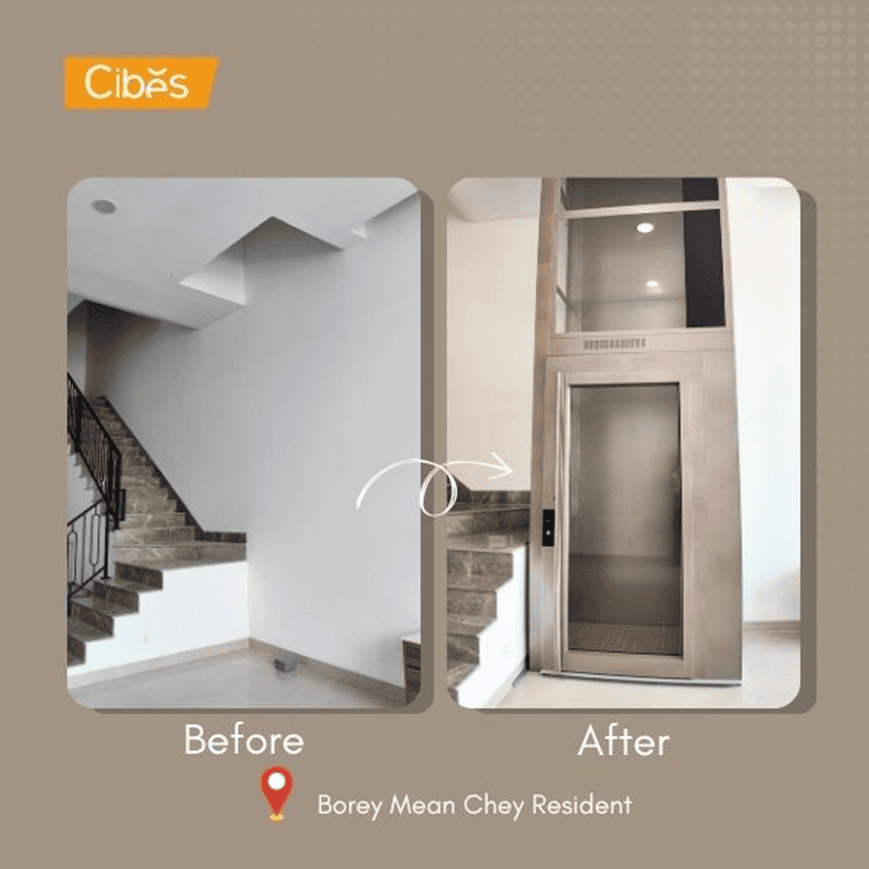
How much does it cost to add an elevator to an existing home?
In many residential retrofit projects, adding an elevator to an existing home in Cambodia can cost around USD 15,000 to USD 40,000+, depending on the lift type, number of stops, site condition, and finishing scope.
The figures below are general planning estimates. Actual pricing in Cambodia may vary depending on site survey, lift model, number of stops, import conditions, site access, civil work, electrical readiness, finishing scope, and installation requirements. For an accurate quotation, Cibes Lift Cambodia should inspect the home layout first.
Here is a simple planning view:
| Lift technology | Typical setup | Estimated cost range |
| Screw Driven homelift | low pit or no pit, no machine room, suitable for existing homes | Around USD 30,000+ |
| Hydraulic lift | usually needs more technical space and civil preparation | Around USD 15,000+ |
| Traction lift | often needs a deeper pit, shaft work, and machine room or technical space | Around USD 18,000+ |
Note: The prices above are for reference only.
For an existing home, the lowest equipment price is not always the lowest project cost. A system that needs more construction work can increase the total budget through slab cutting, shaft construction, waterproofing, electrical work, and finishing.
That’s why homeowners in Cambodia should ask one key question: What is included in the full installed cost?
What is included in the full installed cost?
The full installed cost is the total amount needed to make the lift ready for safe daily use. It is not only the lift cabin or drive system.
| Cost item | What it usually includes |
| Lift equipment | Lift cabin, drive system, doors, controls, safety devices, and shaft structure if included |
| Installation | Lift assembly, testing, commissioning, and handover |
| Civil work | Floor opening, pit or ramp preparation, structural adjustment, shaft or wall work if needed |
| Electrical work | Power supply, wiring, protection devices, and connection readiness |
| Finishing work | Flooring, wall repair, painting, trims, entrance finishing, and design details |
| Ownership cost | Regular maintenance, electricity use, parts after warranty, and service support |
In Cambodia, this matters because many existing homes were not originally designed for a lift. A villa in Phnom Penh, a narrow townhouse, or a shophouse with limited space may need different preparation work. Two homes with the same number of floors can still have different installation costs.
What affects the cost of adding an elevator to an existing home?
The total cost depends on more than the lift cabin. In an existing home, several project factors shape the budget.
Elevator technology.
Pricing often depends heavily on the lift technology used. In many cases, modern screw driven systems come at a higher price than traditional traction lifts. This is because newer technologies are often designed to offer smoother integration in residential settings, along with different installation and performance advantages.
Brand and product origin.
Established international brands and fully imported lift systems typically carry a higher price than domestically manufactured alternatives. This is often due to brand positioning, imported components, and a higher overall product specification.
Number of stops and travel height.
A two stop lift usually costs less than a three or four stops lift, but the price gap is not always as large as homeowners expect. Much of the overall cost is tied to the core lift system itself.
Lift size.
A compact lift often costs less than a larger model designed for wheelchair access or more passengers.
Lift placement.
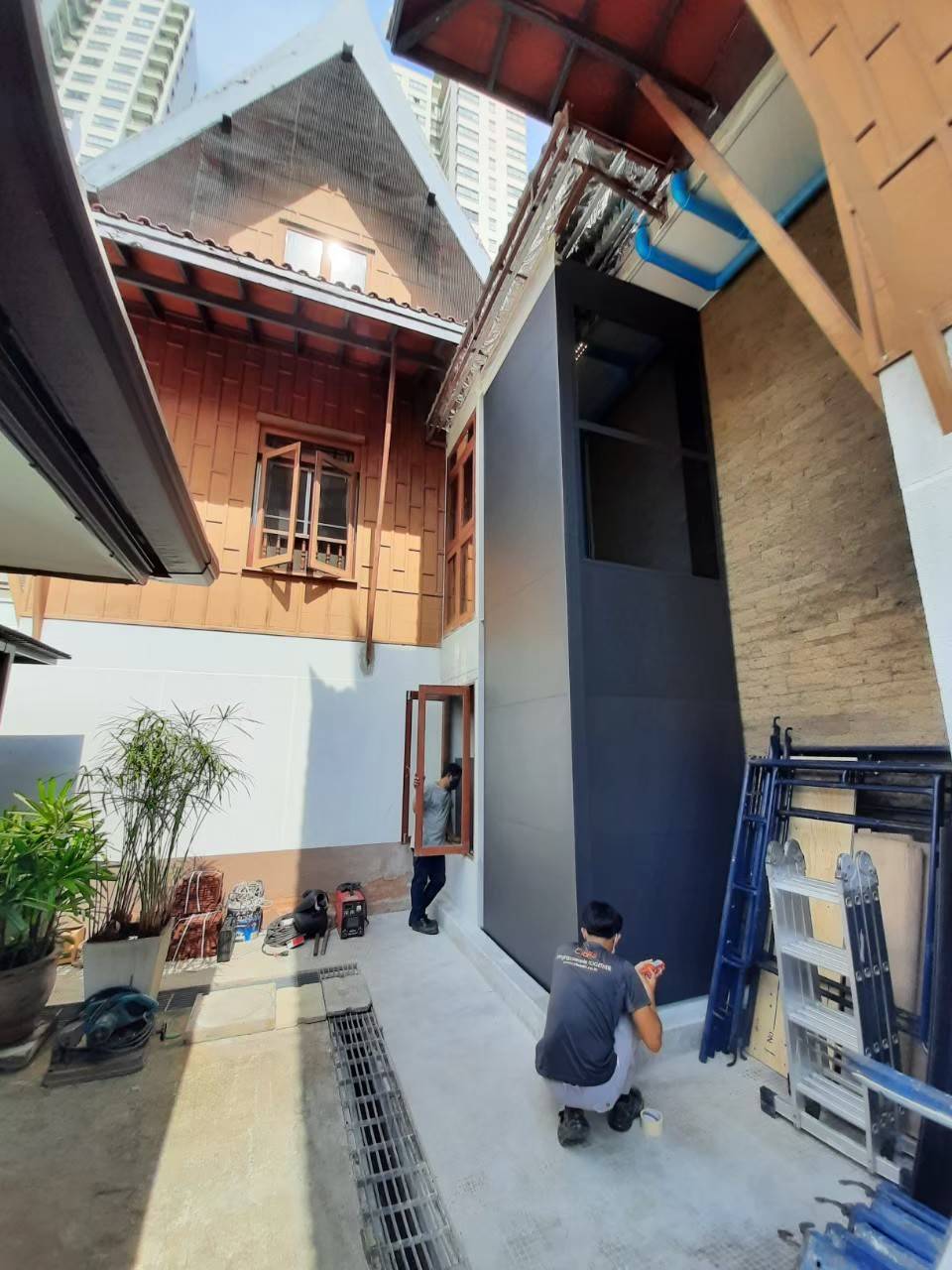
The installation location plays a big role in the final budget. Can the lift fit within a stair void? Will the project require slab openings? Is structural reinforcement necessary? Since no two retrofit sites are exactly alike, this is often where costs begin to vary more noticeably.
Finishes and design options.
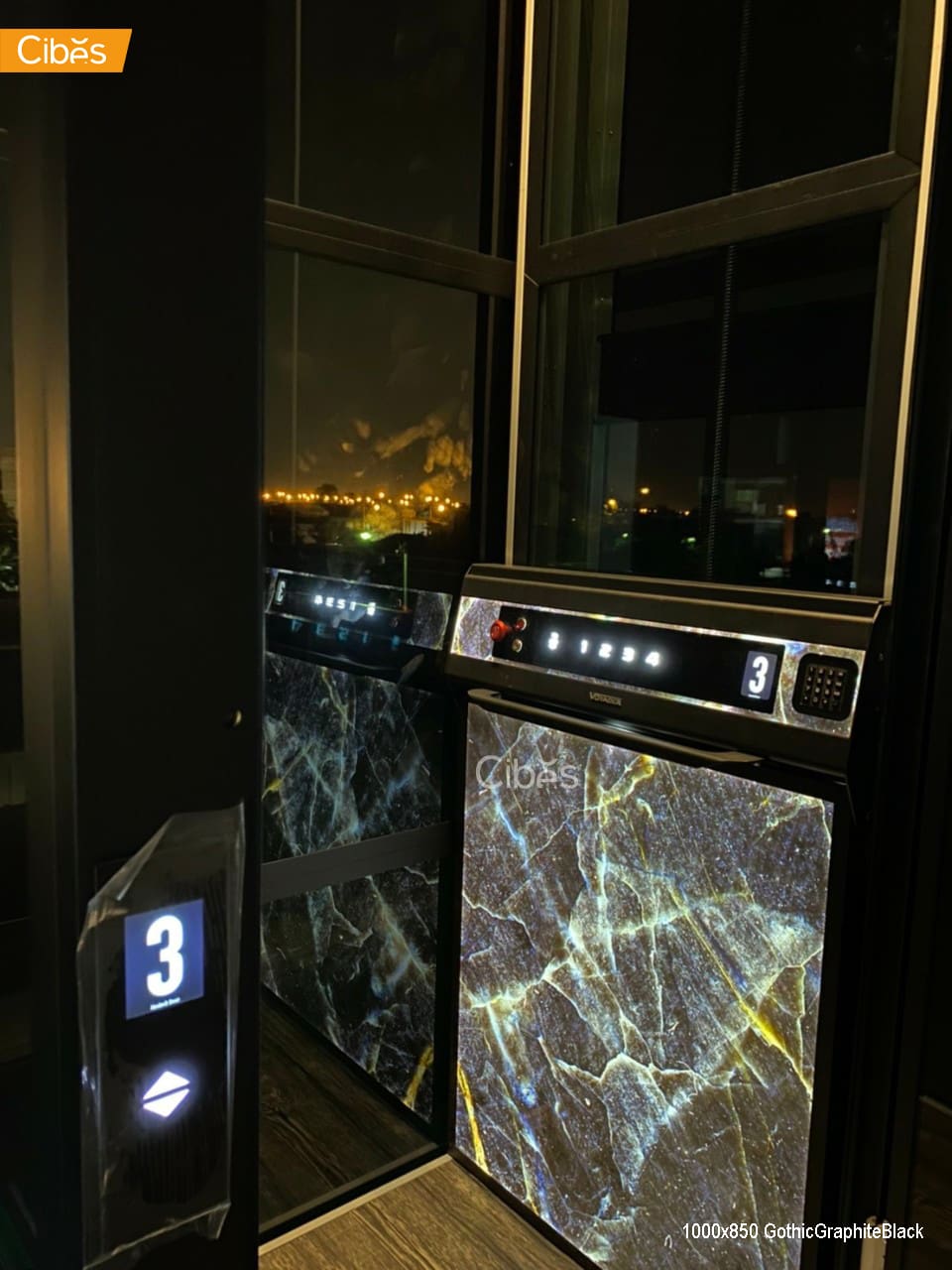
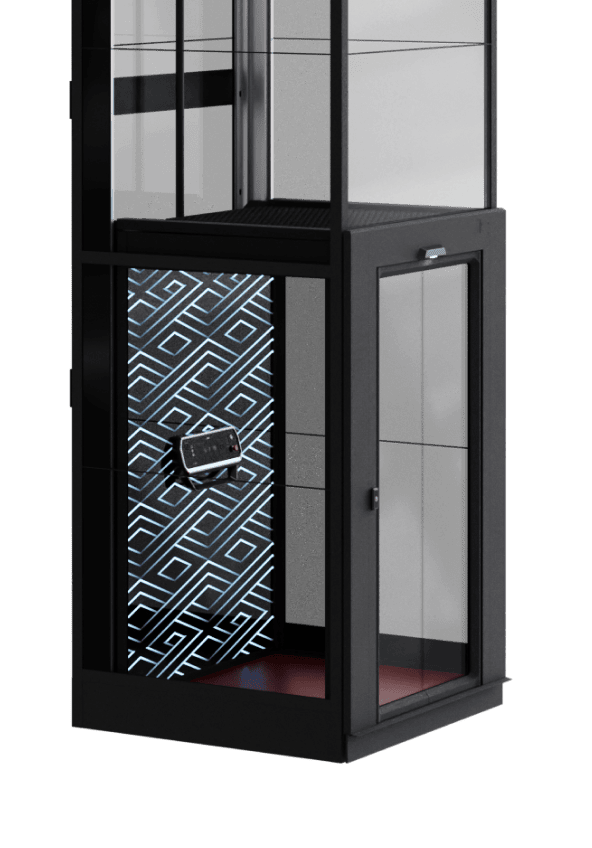
Decorative and design upgrades can also raise the final price. Glass panels, premium doors, custom colors, interior finishes, and upgraded controls all add to the total budget.
Site conditions.
The condition of the site can significantly affect installation cost. Access for installers, readiness of the power supply, slab strength, entrance finishing, and coordination with other trades all matter. A clean and well prepared site usually helps keep costs under control, while a more difficult site often adds labor, time, and finishing work.
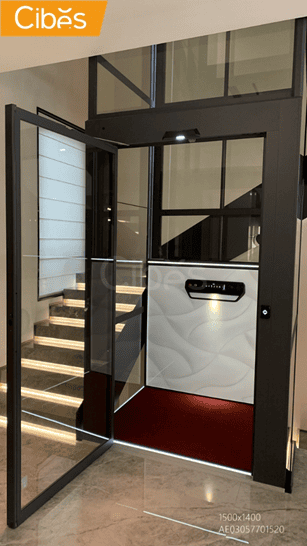
Which lift type is suitable for an existing home in Cambodia?
The right lift depends on the house layout, number of floors, available space, and how much construction work the homeowner wants to avoid.
For many existing homes, a compact home lift with a built-in shaft structure can be a practical choice. It may reduce the need for a full concrete shaft and can help keep the installation cleaner and easier to manage.
Hydraulic and traction lifts can also work in some residential projects, but they may need more technical space, pit work, or shaft preparation depending on the system.
Before choosing a lift, homeowners should ask:
- Does the lift need a machine room?
- Does it need a deep pit?
- Does it need a concrete shaft?
- Can it fit inside the existing layout?
- How long will site preparation take?
- What is included in the quotation?
- Who will handle local service after installation?
These questions help reveal the real cost, not just the starting price.
Why are Cibes home lifts suitable for many existing homes in Cambodia?
Cibes Lift Cambodia was established in 2021 and is the official subsidiary of Cibes Lift Group in Cambodia. As a direct subsidiary, it distributes genuine Cibes lifts from Cibes’ own factories, giving homeowners access to original products, trusted quality, and direct local support.
Cibes Lift Cambodia is not just a local distributor. It is the official subsidiary of Cibes Lift Group, which means customers receive genuine Cibes lifts backed by the brand’s own manufacturing, product quality, and technical standards.
Built-in shaft with tempered laminated glass
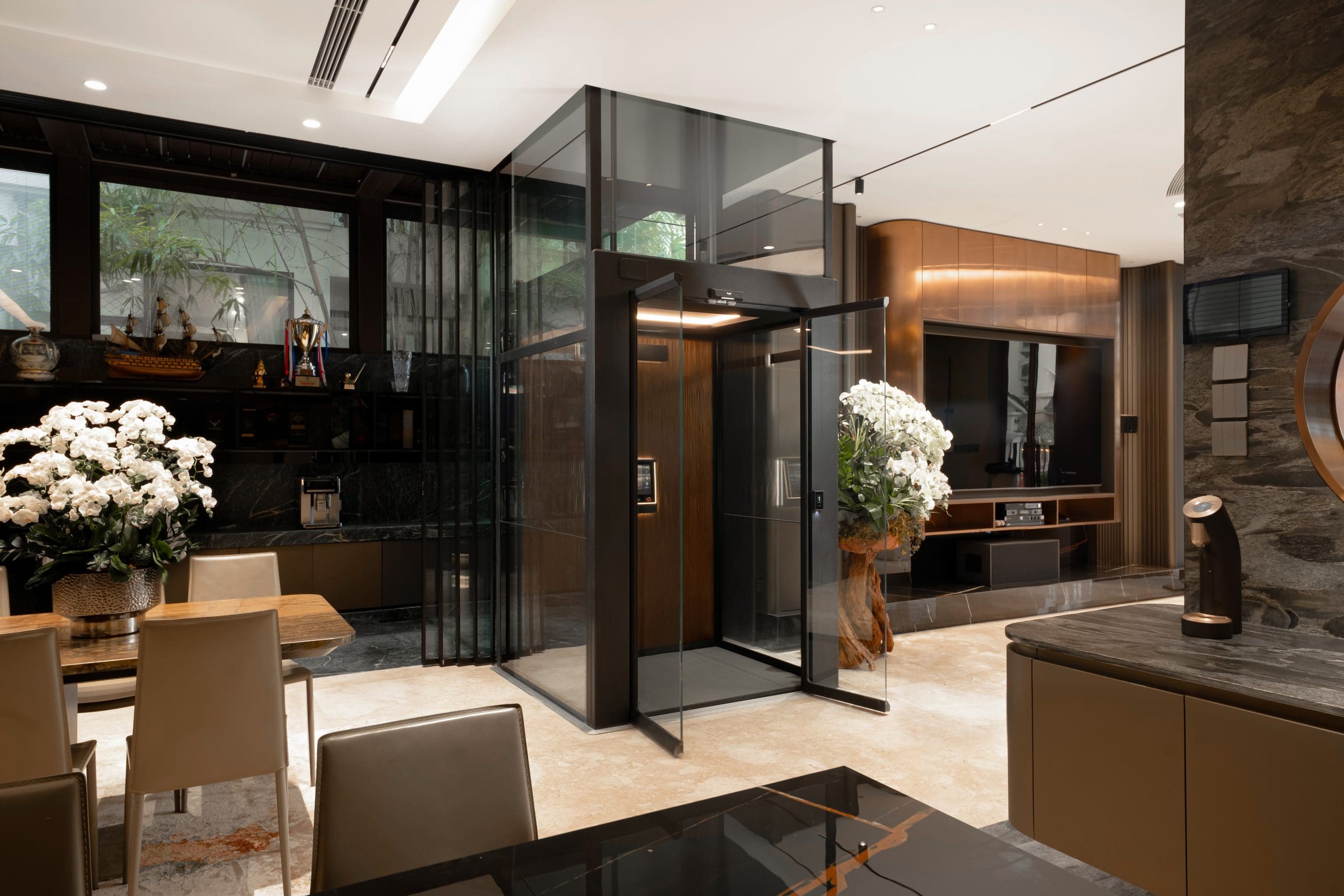
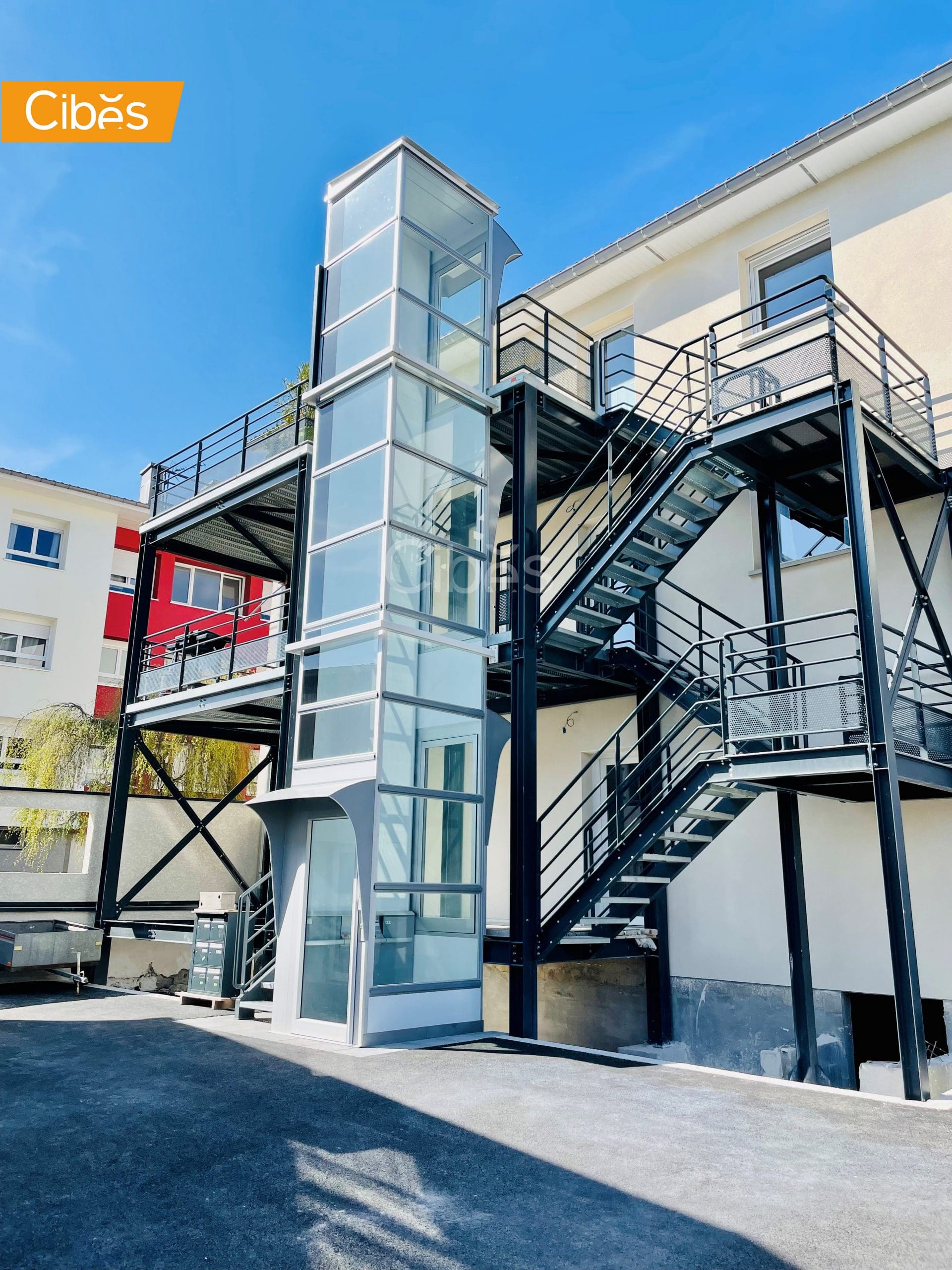
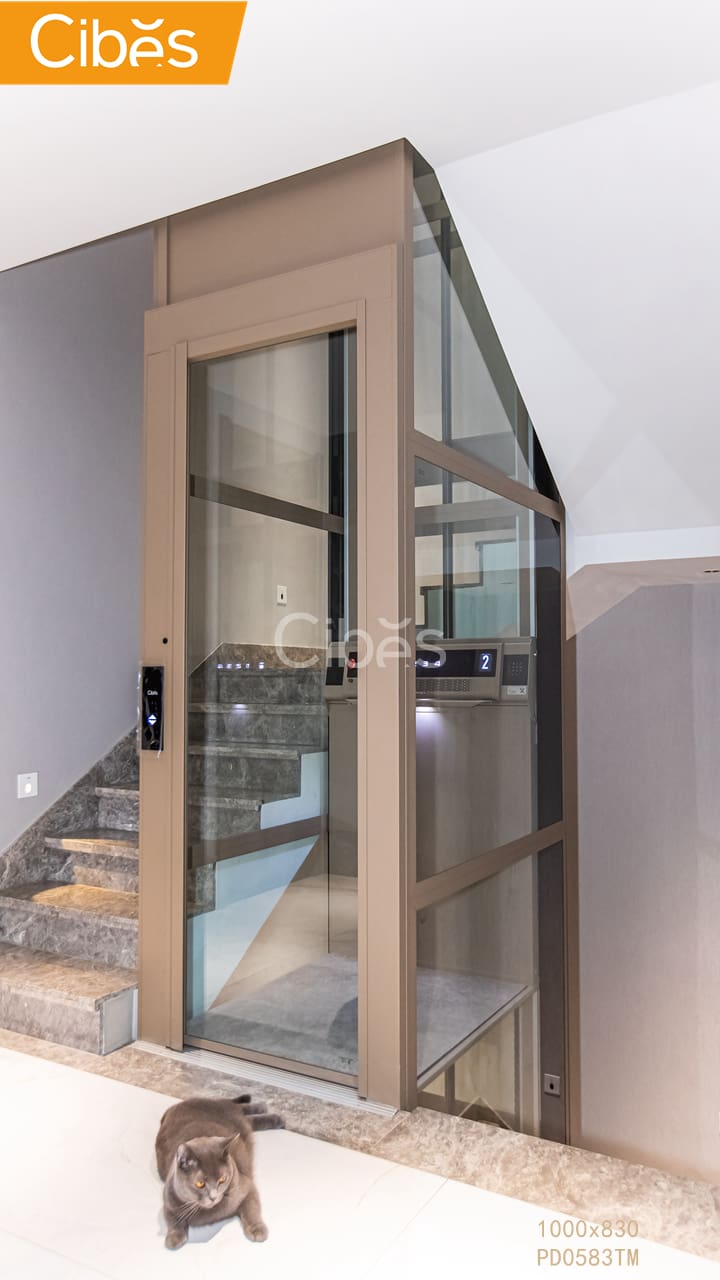
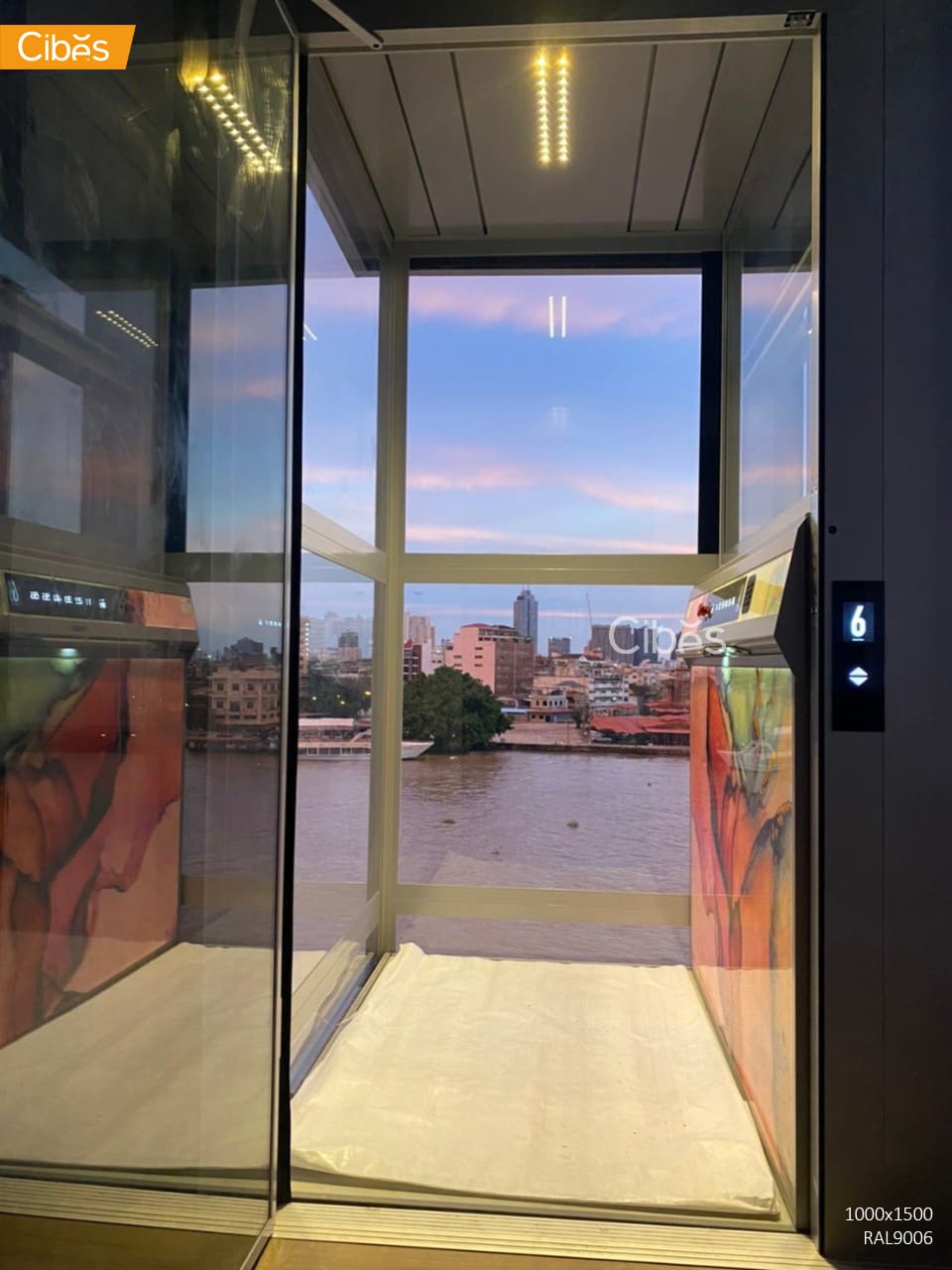
Cibes lifts come with their own mirror shaft and tempered laminated glass, so homeowners usually do not need to build a full concrete shaft like with many traditional lift systems. This helps reduce civil work, shorten installation time, and lower the risk of extra construction costs, while keeping the lift design clean and modern.
Minimal structural impact
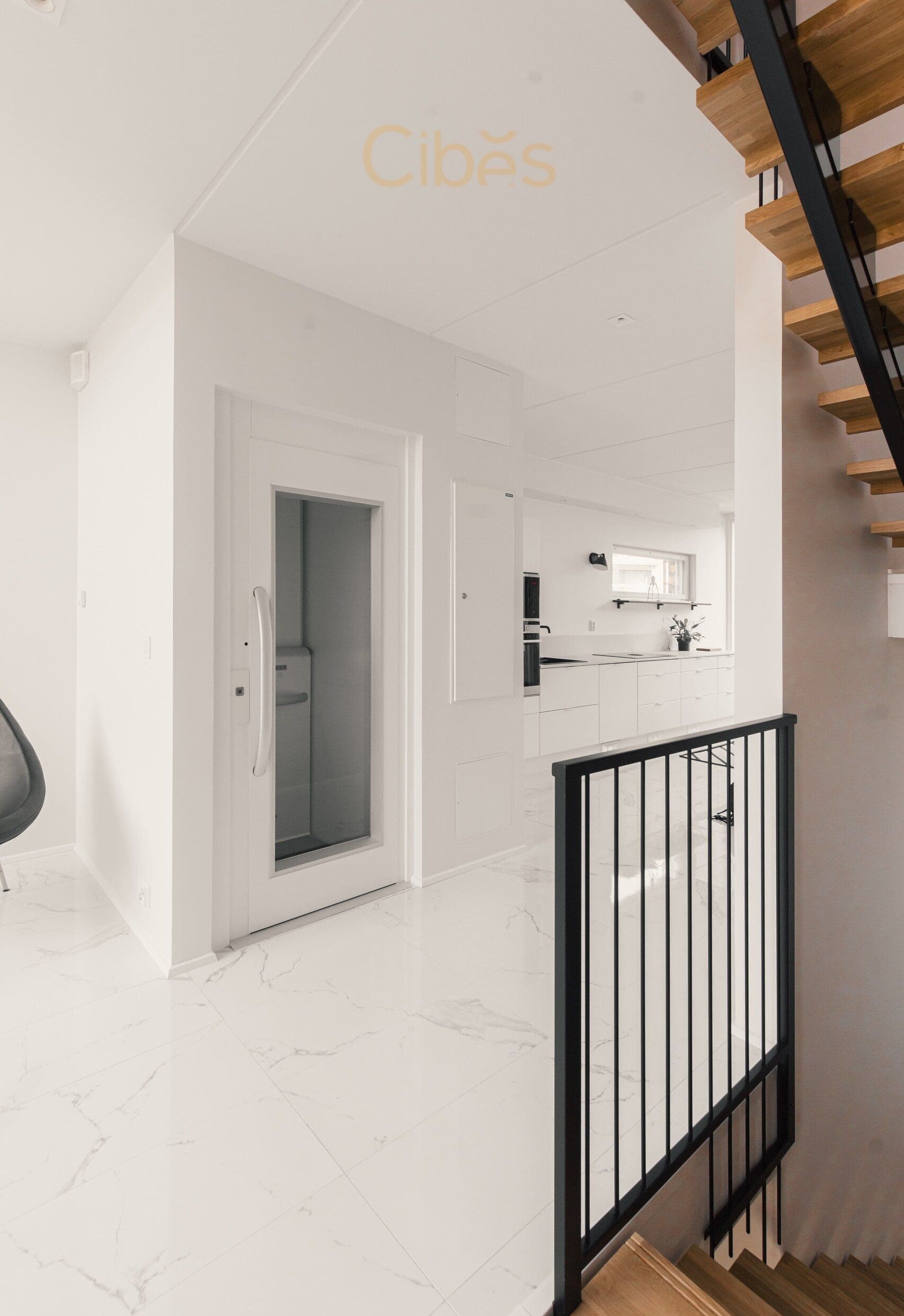
Cibes lifts are designed to fit neatly into existing homes. In many cases, they can be installed in a stairwell void, beside the staircase, or in another stacked space, without changing the whole structure of the house.
Shallow pit option
Shallow pit from 0 to 120mm depending on the site condition, a Cibes lift can often be installed with a shallow pit or even with a ramp. This reduces the need for deep excavation, heavy waterproofing work, and more disruptive construction.
No machine room
Cibes lifts do not require a separate machine room. This saves space and makes the installation simpler, which is especially useful in existing homes where space is limited.
Faster installation
Faster installation from 10 to 15days because the system needs less structural preparation than many conventional lift types, installation is usually faster and easier to manage. That means less disruption during renovation or retrofit work.
Factory direct quality
As an official subsidiary, Cibes Lift Cambodia provides genuine lifts supplied directly from Cibes’ own factories. This gives customers better confidence in product authenticity, build quality, and after sales support.
The smartest way to control cost is not simply to choose the cheapest lift. It is to choose a lift system that helps reduce hidden costs, such as shaft construction, deep pit work, machine room preparation, waterproofing, and extra finishing.
How much does a Cibes home lift cost?
A Cibes home lift price depends on the number of stops, lift model, size, finishes, and site condition. For a simple guide, a 3 to 5 stop home lift may range from around $30,000up based on the example price table below. Final pricing should be confirmed after checking the project layout.
| Number of stops | Estimated price range |
| 3 stops | From $37,700 to $86,100 |
| 4 stops | From $42,700 to $92,200 |
| 5 stops | From $49,000 to $97,800 |
Please contact Cibes Lift Cambodia for a detailed quotation based on your actual site condition.
The prices above are for reference in Cambodia. Actual prices may vary depending on project specifications such as lift size, travel height, number of stops, installation condition, indoor or outdoor installation, and project location.
For projects outside Phnom Penh, additional transportation, accommodation, or site access costs may apply depending on the location.
_____________________________________________
Cibes Lift Cambodia – Official subsidiary of Cibes Lift Group
Website: www.cibescambodia.com
Hotline: 011 837 183/ 093 837 183
Showroom: Near Chip Mong 271 Mega Mall, House 261, Commercial Street, Phnom Penh, Cambodia
FAQ
In many residential projects, the total cost can range from about USD 15,000 to USD 40,000 or more. The final price depends on the lift type, number of stops, size, civil work, finishes, and installation conditions.
Yes, often it is. If the house is already under renovation, it is usually easier to coordinate slab work, electrical preparation, wall finishing, and access for installation teams.
In retrofit projects, civil work and structural preparation can become one of the most expensive parts. That’s why lift type and placement matter so much.
No. Some home lift systems come with their own self supporting structure, which can reduce the need for a traditional concrete shaft. This can help lower construction cost in existing homes.
Maintenance costs are usually lower than for larger commercial elevators, but they still need regular servicing. Homeowners should plan for annual maintenance as part of total ownership cost.
Yes, in many cases. Compact home lifts are designed for tight spaces and retrofit use. The right model depends on layout, floor openings, travel height, and how the lift will be used.
The lift installation itself may be relatively quick once the site is ready, but total project time depends on design approval, manufacturing, site preparation, electrical work, and finishing.

Kahna Pov is the Country Manager of Cibes Lift Cambodia, the official subsidiary of Cibes Lift Group from Sweden. With over 4 years of experience advising on residential lift solutions and coordinating projects, she has supported homeowners, architects, and project teams across Cambodia in selecting Cibes screw-driven lifts that are safe, space-saving, and well suited for private homes.





TL;DR: An imported lift can improve access to a villa, townhouse, or renovated home. Yet the word “imported” doesn’t prove that a lift is safe or suitable. Check the manufacturer, exact model, safety documents, usable space, shaft requirements, power supply, installation scope, warranty, maintenance plan, and spare-parts support in Cambodia. Arrange a site survey and […]
Whether you’re building a new home, renovating an ex isting property, or planning a commercial project, choosing the right elevator is an important decision. One of the most popular options today is the machine room-less lift. Unlike traditional elevators that require a separate machine room, a machine room-less lift integrates the drive equipment into the […]

In Cambodian villas, borey houses and shophouses, a home elevator can be installed in the middle of the staircase, beside the stairs, in an open stair void or outside the house. The right location depends on the available space, staircase design and structural conditions. TL;DR The best location for a home elevator depends on your […]
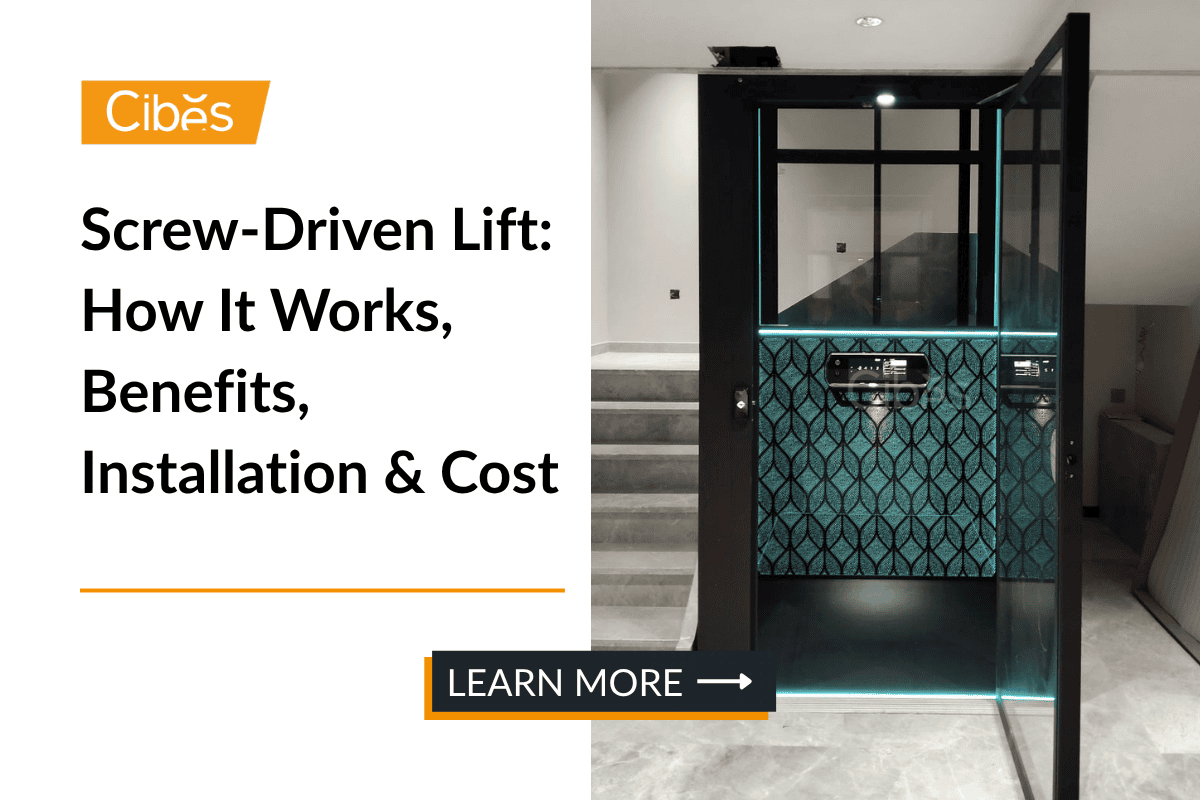
A screw-driven lift is a compact home lift that moves a lift with a motor, steel screw and drive nut. For Cambodian villas, borey houses, clinics and small buildings, it is often chosen because it can work without a machine room and with a shallow pit or ramp, depending on the model and site condition. […]
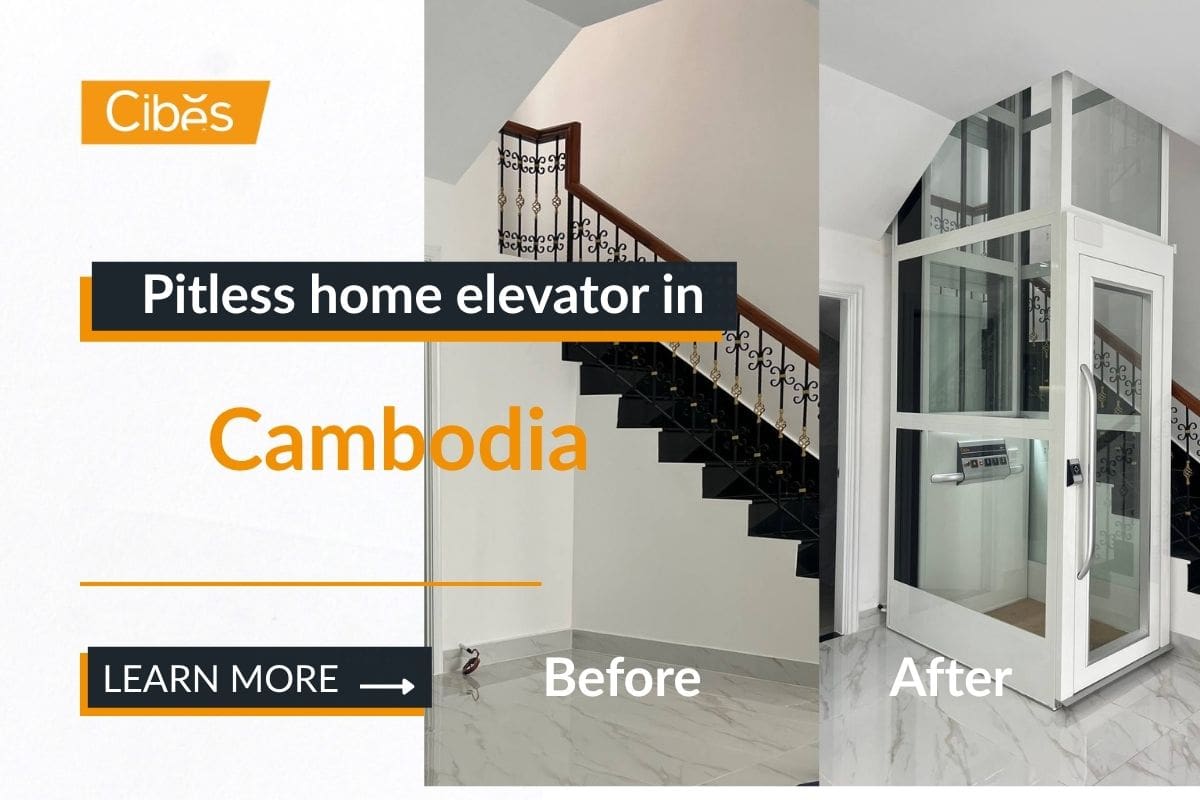
A pitless home elevator is a residential lift that operates with little or no pit below the lowest landing. A traditional home elevator needs a pit of about 600 to 1500 mm. A pitless lift works with 0 to 120 mm, so it can sit on a finished floor with minimal building work. TL;DR: This […]