

Blog - 16/03/2026
Home Elevator Operating Costs: Power, Maintenance and Components
By Kahna Pov (Cibes Lift Cambodia) | LinkedIn: https://www.linkedin.com/in/kahna-pov-88863365/
Published: 16 March 2026 | Last updated: 16 March 2026
For an average home elevator, the estimated annual operating cost ranges from $600 to $830 per year, depending on travel height, daily usage, and local electricity tariffs. In Cambodia, residential electricity in Phnom Penh typically costs around $0.18 to $0.22 per kWh, depending on monthly consumption. The cost figures below reflect practical estimates for residential home elevator use under typical household conditions.
A modern home elevator such as Cibes Lift operates with low electricity consumption, predictable maintenance needs, and long component lifespan. This guide explains real operating costs using residential lift data and practical ownership examples.
TL;DR:
Typical ownership expenses include:
- Electricity: $10 to $15 per month
- Maintenance: $400 to $500 per year
- Component replacement: Occasional
- Average ownership cost: $50 to $69 per month
Electricity consumption remains low because home elevators only use power during movement. Long term cost depends mainly on lift technology and maintenance planning rather than usage frequency.
1. What Are the Main Operating Costs of a Home Elevator?
Home elevator operating costs usually fall into three buckets: electricity, scheduled maintenance, and component wear or replacement. For most homeowners, electricity stays low and stable, maintenance is the most predictable annual cost, and component wear happens less often but can vary based on lift type, usage, and environment
| Cost Category | Impact on Ownership | Long Term Effect |
| Electricity | Low | Stable |
| Maintenance | Medium | Predictable |
| Component wear | Variable | Long interval |
Well designed residential lifts keep these expenses balanced so homeowners can plan costs confidently for many years.
2. What Does It Cost to Run a Home Elevator?
The typical operating cost of a residential home elevator averages around $50 to $69 per month when electricity, maintenance, and long-term component wear are considered together. (This figure is for reference only.)
Most homeowners can plan around four common cost types: electricity, maintenance, occasional component replacement, and the overall monthly average. Electricity typically costs around $10 to $15 per month, making it the smallest ongoing expense. Annual maintenance usually ranges between $400 and $500 per year, making it the most predictable cost. Component replacement happens only when a part wears out and is not a frequent expense. In total, the average ownership cost for a residential home elevator is about $50 to $69 per month.
| Cost Type | Cost Level for Home Elevator | Frequency |
| Electricity | $10 to 15/month | Monthly |
| Maintenance | $400 to 500/year | Annual |
| Component replacement | $80 to 150 per part | Occasional |
| Average ownership cost | $50 to 69/month | Long term |
Cost figures are reference estimates based on typical residential home elevator installations. Actual operating costs may vary depending on usage frequency, travel height, and local electricity tariffs.
3. How Much Do Home Elevator Electricity Costs Add Up To?
For most homes, that works out to around $10 to $15 per month on average. Over a year, that’s roughly $120 to $180.
3.1 How Much Electricity Does a Home Elevator Use?
A residential screw driven home elevator typically consumes about 0.014 to 0.033 kWh per ride, depending on travel height, load, and number of stops.
This estimate assumes:
- 3 to 4 floors
- Average travel height of 3 meters per floor
- Around 10 to 20 rides per day
- Single phase or three phase, 16A residential power supply
Under these conditions, monthly electricity consumption is usually between 10 and 25 kWh per month.
Based on a typical Cambodia residential electricity rate of approximately $0.25 per kWh, the monthly operating cost is about $10 to $15 per month.
Home elevators consume energy mainly while moving. During standby, modern systems enter sleep mode with very low power usage.
Typical operating characteristics include:
- Single phase or three phase household electricity
- 16A residential power supply
- Power usage only during travel
- Energy saving standby mode
Energy consumption remains comparable to common home appliances.
3.2 What Does Electricity Cost Look Like in a Real Household?
Consider a typical three floor private home.
Usage example
- 25 rides per day
- Average consumption 0.02 kWh per ride.
Daily consumption:
25 × 0.02 = 0.5 kWh
Monthly consumption:
0.5 × 30 days = 15 kWh
Even with higher electricity tariffs, operating cost remains relatively small within total household energy usage.
3.3 What Factors Affect Home Elevator Energy Use?
Energy consumption depends mainly on movement conditions rather than lift size.
Key influencing factors include:
- Travel height between floors
- Number of daily trips
- Passenger load
- Drive system efficiency
- Standby energy consumption
Efficient drive technology keeps energy demand stable even with frequent daily use.
4. What Are Home Elevator Maintenance Costs?
Home elevator maintenance costs are the regular service fees you pay to keep the lift safe, smooth, and reliable. For most residential lifts, a realistic budget is around $400 to $500 per year, usually split into 1-2 times per year depending on your service plan and local conditions.
Maintenance typically includes:
- Safety checks (locks, emergency stop, alarms)
- Inspection of drive system and key moving parts
- Cleaning and lubrication where needed
- Adjustments and minor tightening to reduce noise and wear
- Basic testing of backup systems (if your lift has battery backup)
4.1 Do Home Elevators Require Regular Maintenance?
Yes. Annual preventive maintenance is required to ensure safe operation and long term reliability.
Maintenance inspections typically include:
- Safety system inspection
- Mechanical lubrication
- Emergency lowering test
- Battery condition check
- Door safety verification
Regular servicing prevents unexpected breakdowns and protects component lifespan.
4.2 What Is the Average Home Elevator Maintenance Cost?
Annual maintenance typically ranges from $400 to $500 per year for most residential home elevators. However, the exact cost depends on the lift technology, travel height, and installation environment.
For example, screw driven home lifts usually have lower service complexity because they do not require hydraulic oil, machine rooms, or complex counterweight systems. This reduces routine servicing needs and keeps long term maintenance more predictable compared to hydraulic or traction elevators.
Residential screw driven lifts maintain lower service complexity because they:
- not require hydraulic oil
- eliminate machine rooms
- contain fewer moving mechanical components
Simplified engineering allows technicians to complete servicing efficiently while maintaining safety compliance.
5. What Are the Main Home Elevator Components and How Long Do They Last?
Most home elevators rely on the motor and drive system, control electronics, safety locks and sensors, and small wear parts, and with normal use and regular maintenance these typically last for many years, with batteries often needing replacement sooner than the main mechanical parts.
5.1 Which Components Wear Over Time?
Only regularly moving parts experience gradual wear. Structural components generally last the lifetime of the building.
Common replacement items include:
- Backup batteries
- Safety sensors
- Door mechanisms
Aluminum lift shafts resist corrosion and structural cracking, making them suitable for humid residential environments.
5.2 How Long Do Home Elevator Components Last?
| Component | Average Lifespan |
| Screw drive system | 10 years |
| Motor | 10+ years (typical in residential use) |
| Battery | 2 to 3 years |
| Control electronics | 10 to 15 years (varies by environment and usage) |
| Lift shaft (aluminum + glass) | Long life structural component (designed for building lifetime) |
Component replacement normally occurs gradually rather than simultaneously, keeping ownership expenses predictable.
6. How to Keep Home Elevator Operating Costs Low?
Lift technology directly affects electricity usage, maintenance frequency, and long term ownership cost.
Technology Comparison
| Technology | Electricity Use | Maintenance Level | Long Term Cost |
| Hydraulic | Medium | High | High |
| Traction | High | High | High |
| Screw driven | Low | Low | Predictable |
Residential specific systems simplify mechanics and reduce servicing requirements over time.
6.1 How Can You Keep Home Elevator Operating Costs Low?
Correct lift selection and regular servicing are the most effective ways to control operating expenses.
Recommended Practices
- Select residential lift technology
- Choose appropriate lift size
- Install indoors when possible
- Perform yearly maintenance
- Use certified installation teams
Proper installation prevents vibration, misalignment, and unnecessary mechanical wear.
6.2. How Does Daily Usage Affect Home Elevator Operating Cost?
Daily usage has a relatively small impact on home elevator operating cost because residential lifts are designed for intermittent operation rather than continuous running. Even when usage increases, electricity consumption grows gradually and remains predictable for most households.
Unlike commercial elevators operating hundreds of cycles per day, home elevators typically perform short travel movements. This keeps mechanical stress and power demand low.
Typical Residential Usage Patterns
Different households use elevators differently depending on lifestyle and family size.
| Household Type | Average Daily Rides | Estimated Energy Impact |
| Small family | 10 to 15 rides | Very low |
| Standard home | 20 to 30 rides | Low |
| Multi generation home | 30 to 50 rides | Moderate |
| Private villa | 40+ rides | Still manageable |
Even at higher usage levels, electricity cost normally increases only slightly because energy is consumed only during movement.
For example, doubling daily rides does not double ownership cost. Maintenance intervals and component lifespan remain largely unchanged when servicing schedules are followed correctly.
This predictable performance is one reason residential platform lifts are increasingly installed in private homes.
6.3. Does Installation Method Affect Long Term Cost?
Installation design has a strong impact on future expenses.
Traditional elevators often require:
- deep concrete pit construction
- machine rooms
- heavy structural reinforcement
Modern self supporting home elevators integrate their own shaft structure, reducing building dependency and long term maintenance risk.
This becomes especially beneficial for renovation homes.
6.4. Are Home Elevators Affordable for Long Term Ownership?
Modern home elevators are engineered for residential comfort with predictable long term expenses rather than intensive commercial operation.
When electricity, maintenance, and component lifespan are combined, ownership cost remains manageable for most households.
Efficient engineering and simplified mechanical systems allow homeowners to operate lifts confidently for decades
Conclusion
Home elevator operating costs remain low and predictable after installation. Most homeowners spend mainly on electricity, yearly maintenance, and occasional part replacement, with total ownership averaging about $50 to $69 per month.
Because residential lifts run only when needed, energy use stays small and components last many years. With proper maintenance and the right lift technology, a home elevator becomes a practical long term home upgrade that improves daily comfort without creating high ongoing costs.
Frequently Asked Questions About Home Elevator Costs
A home elevator usually only about $10 to $15 per month for a typical home, because the lift mainly uses power while moving.
Most home elevators need a professional inspection once per year to keep safety and reliability on track.
Yes, it is suitable for renovation houses. Many modern home lifts can be installed without a deep pit or a machine room, which helps reduce structural work.
Website: www.cibescambodia.com
Hotline: 011 837 183/ 093 837 183
Showroom: Near Chip Mong 271 Mega Mall, House 261, Commercial Street, Phnom Penh, Cambodia





TL;DR: Cibes Lift Cambodia joined the Cambodia ASEAN Business Summit 2026 in Phnom Penh, represented by Vice President Kevin Der Arslanian and Country Manager Pov Kanha. The summit gathered more than 700 delegates from government, diplomacy, and business under the theme “Transforming ASEAN: Innovation, Integration, and Industrial Evolution.” Discussions focused on Cambodia’s role in regional […]
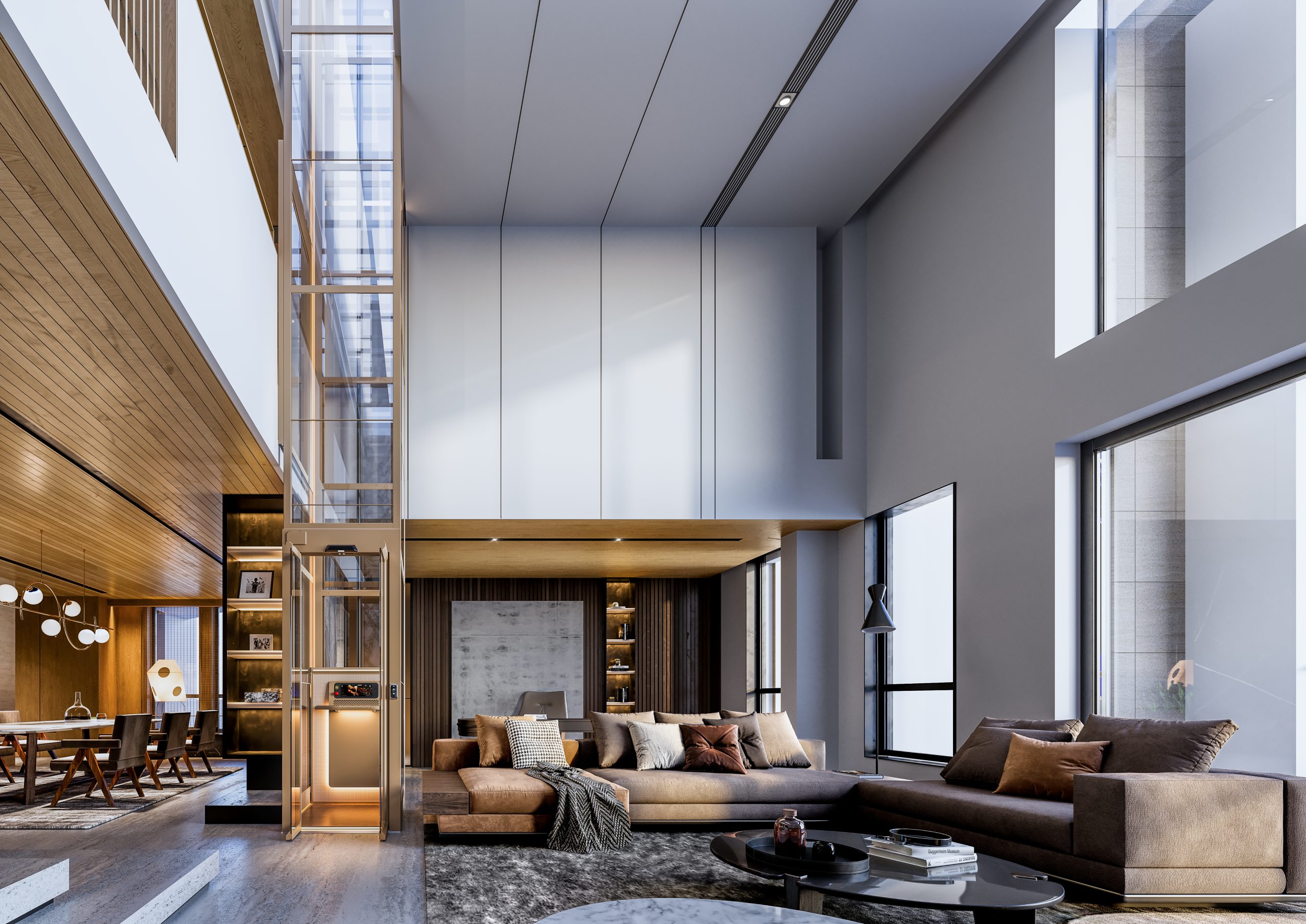
By Kahna Pov (Cibes Lift Cambodia) | LinkedIn: https://www.linkedin.com/in/kahna-pov-88863365/ Published: 16 March 2026 | Last updated: 16 March 2026 For an average home elevator, the estimated annual operating cost ranges from $600 to $830 per year, depending on travel height, daily usage, and local electricity tariffs. In Cambodia, residential electricity in Phnom Penh typically costs […]
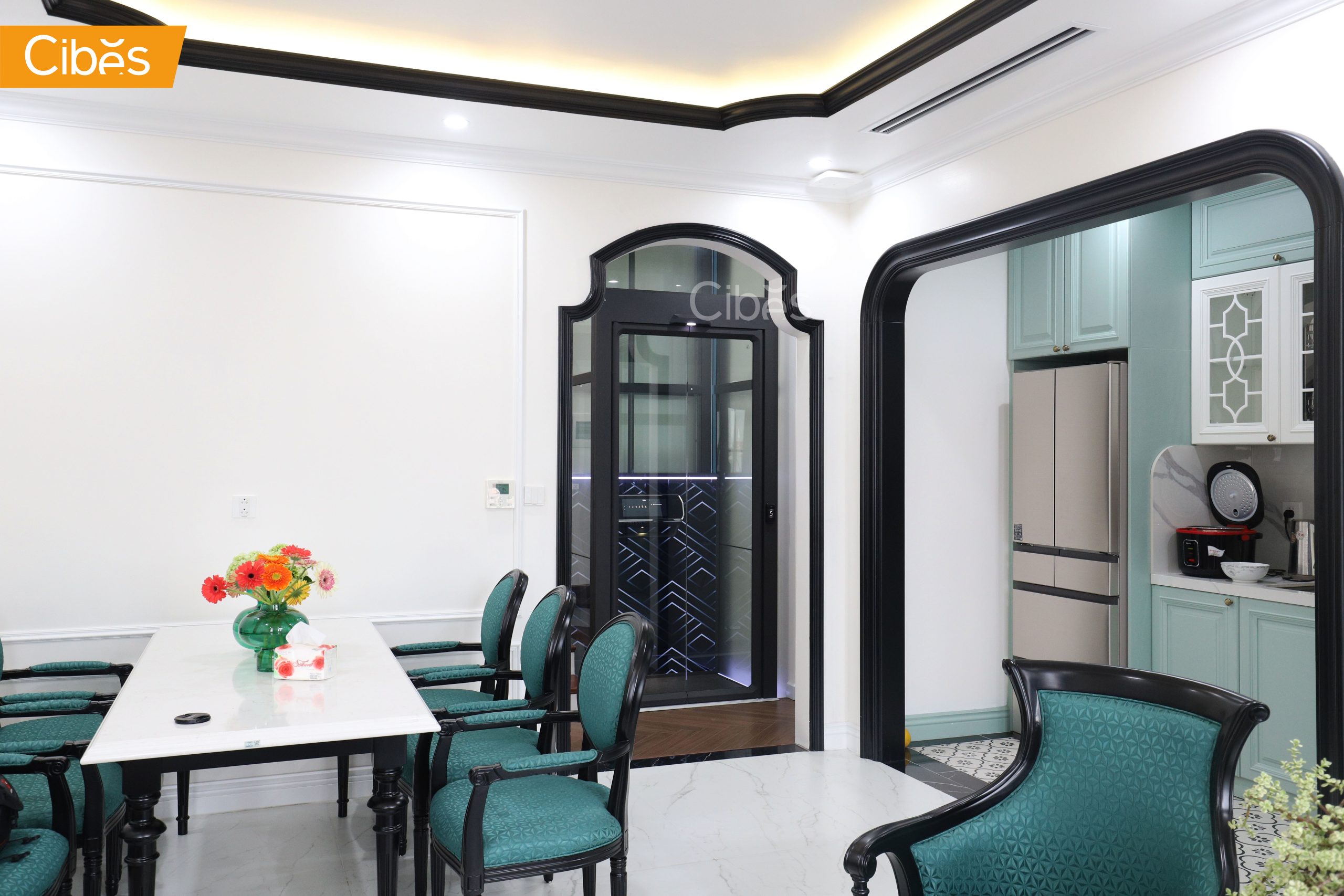
Explore mini lift for home options starting from 1m² – compare hydraulic, traction & screw-driven small elevators, 2026 Cambodia prices (USD 15,000 – 95,300). TL;DR: 1. What Is a Mini Lift for Home? A mini lift for home is a compact residential elevator designed specifically for private houses with limited space. Unlike conventional elevators, these […]
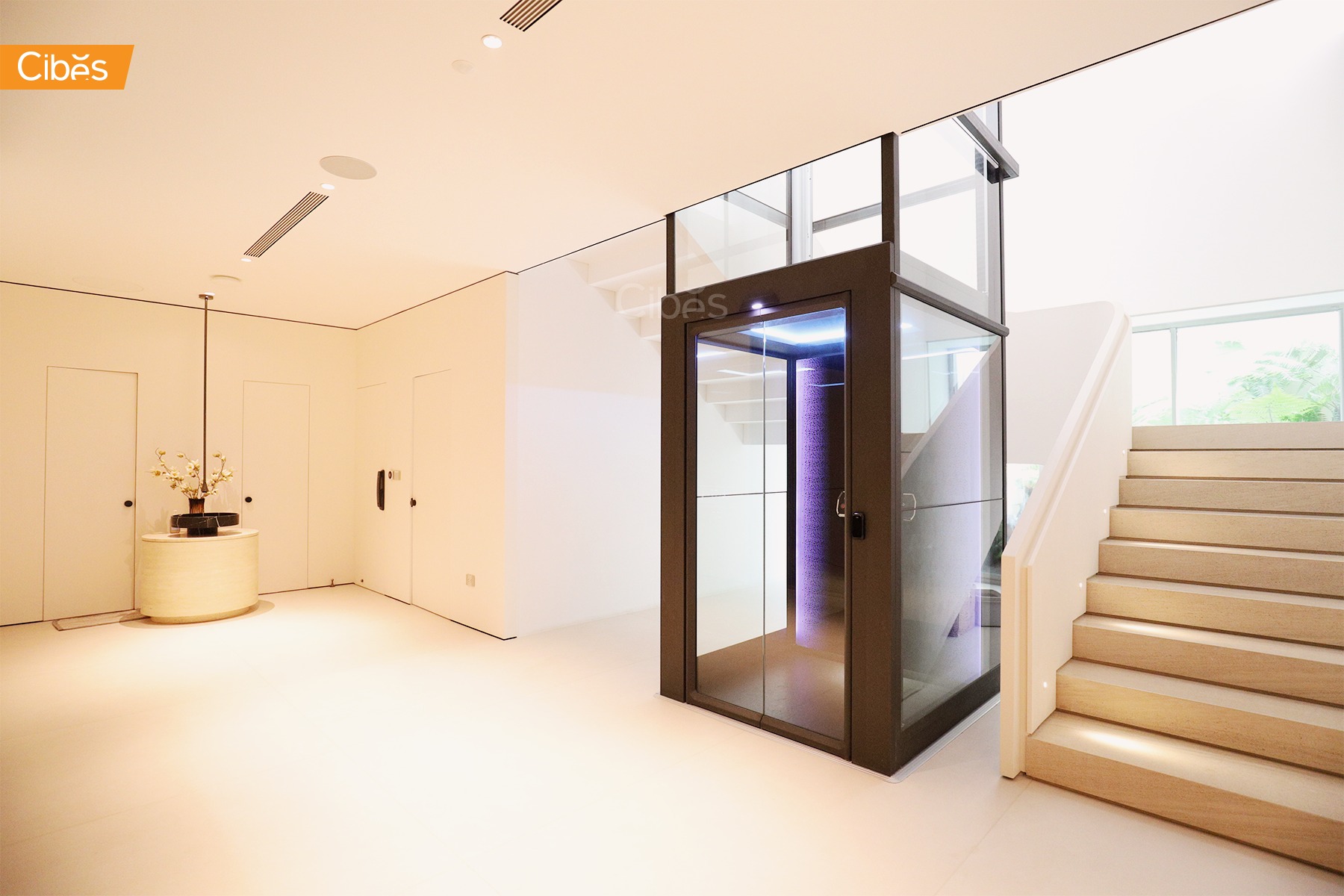
Discover everything about glass lifts for homes in Cambodia – types, costs, installation process, safety features, and premium residential solutions from Cibes. What Is a Glass Lift for Home? In short, a glass lift for home combines vertical transportation with architectural design, offering safety, transparency, and improved accessibility for modern residential living. Unlike traditional enclosed […]
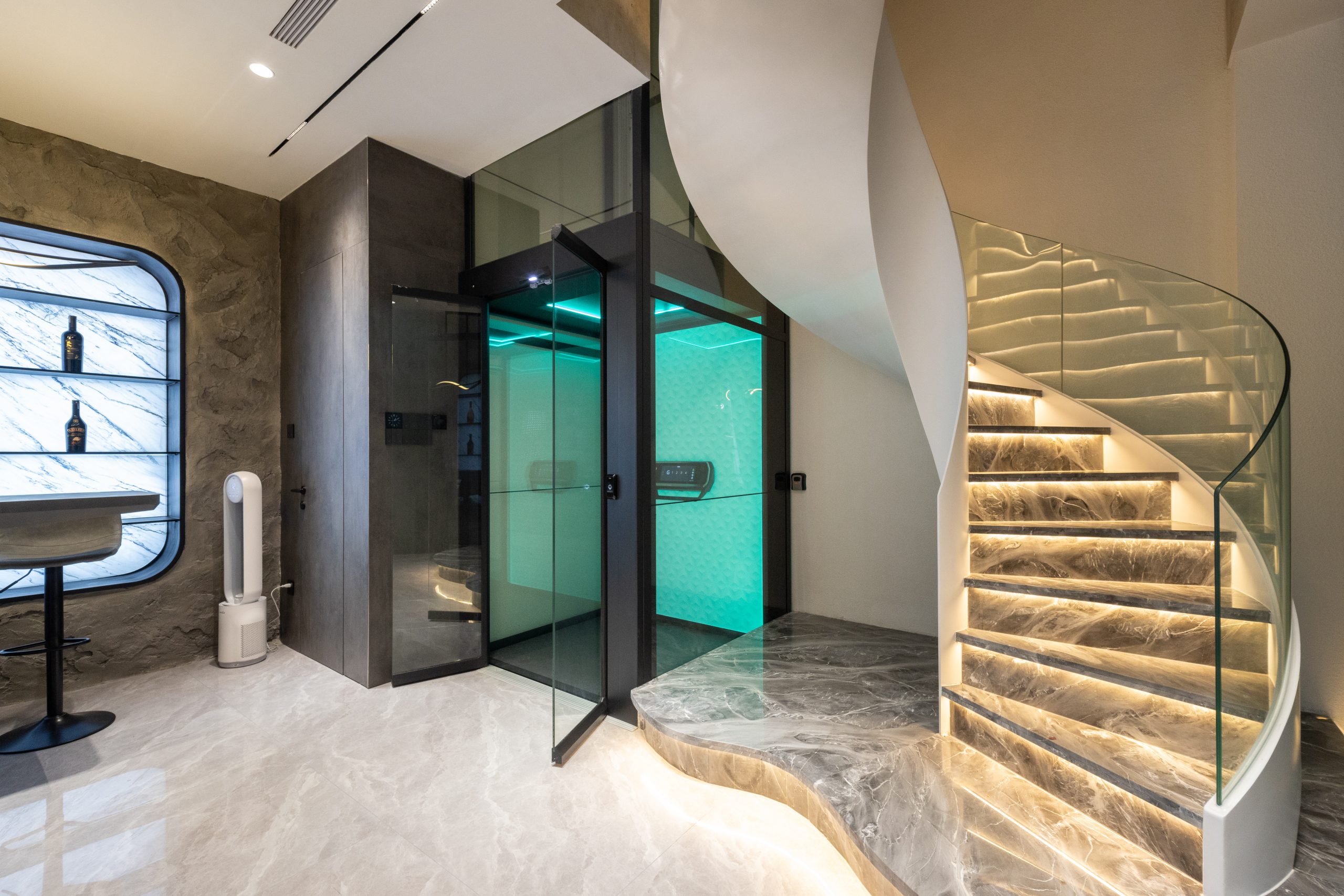
Discover compact, stylish, and space-saving small elevators for homes with real installation projects by Cibes Cambodia. A smart solution for comfort, accessibility, and modern living. What Are Small Elevators for Homes? A small home elevator is a compact lift system developed specifically for residential use. It is designed to operate quietly, occupy minimal space, and […]