

Blog - Date posted: 02/04/2026 - Date updated: 23/06/2026
How to Choose a Safe Home Lift for the Elderly
TL;DR
Key benefits of a home elevator for elderly users include:
- Reduced risk of stair falls
- Better comfort for daily movement
- More independence for elderly family members
- Easier access for wheelchairs, walkers, or caregivers
- Better long term planning for aging in place
A home elevator helps elderly family members move safely between floors and remain comfortable and independent at home.
1. Why do elderly people need a home elevator?
For many older adults, stairs become harder and less safe over time. Even a short staircase can turn into a daily challenge.
Common issues include:
- leg weakness or reduced balance
- joint pain or arthritis
- unstable blood pressure
- slower reflexes
- reduced vision
- a higher risk of slipping or falling on stairs
A home elevator helps elderly people move more safely between floors. Just as important, it gives them more independence. They do not have to rely on someone else every time they need to go upstairs, carry something, or reach another part of the house.
For many families, a home lift is not only a convenience. It is a long term safety decision.
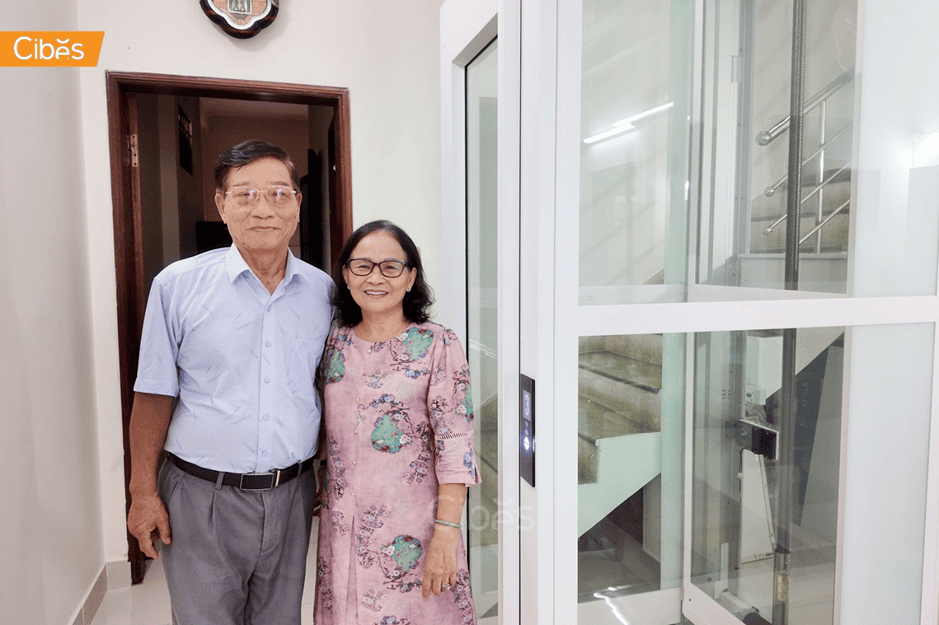
2. What should you look for in an elevator for elderly people?
The best home elevator for seniors should be safe, steady, and easy to use. These are the most important factors to check.
2.1. Stable speed and smooth travel
Older adults are often more sensitive to sudden movement. If a lift starts too quickly, slows too sharply, or shakes during travel, it may cause dizziness or discomfort.
A suitable elevator for elderly users should offer:
- a moderate speed of around 0.15 to 0.25 m/s
- smooth start and stop
- stable movement throughout the trip
- low vibration and low noise
This matters even more in glass elevators. If the speed changes too much during travel, older users may feel uncomfortable when looking outside the cabin.
2.2. Easy to use cabin design
A well designed elevator should feel simple and reassuring from the moment the user steps inside.
Important design features include:
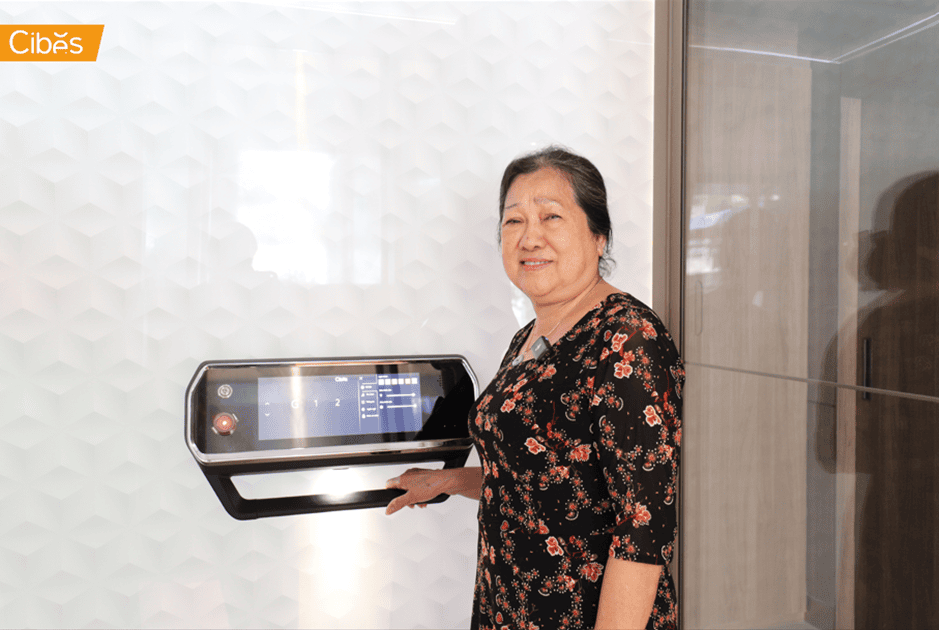
- a control panel placed at a reachable height
- large buttons with clear symbols
- indicator lights that are easy to see
- local language support on the control panel where possible
- sturdy handrails
- non slip flooring
- soft, comfortable lighting
- a door width of at least 800 mm for easier access
If the elderly person uses a wheelchair or may need help from another person, cabin space becomes even more important.
2.3. Strong safety features
Safety is the core requirement. A home elevator for elderly people should include the following features as standard or optional essentials:
- door safety sensors to reduce the risk of trapping
- automatic safety brakes
- emergency stop button
- emergency call button or communication system
- speed limiter compliant with relevant safety standards
- automatic lowering to the nearest lower floor in the event of a power failure
These features help reduce risk and give both the user and the family more peace of mind.
2.4. Accessibility for wheelchair users and caregivers
If the elevator may be used by a wheelchair user, the cabin must be large enough for safe entry and exit.
A common minimum size is around:
- 1000 mm wide x 1250 mm deep
For easier movement, especially with a caregiver or family member inside, larger dimensions are often better. In many cases, 1100 mm x 1400 mm or more will provide a more comfortable experience.
2.5. Easy installation in an existing home
Many families look for a home elevator after the house is already built and occupied. That means installation conditions matter a lot.
Some elevator systems need:
- a deep pit
- a separate machine room
- major structural changes
Others are easier to install in existing homes with limited space. This is one reason why elevator technology matters, not just price.
3. Which elevator type is best for elderly people?
There are three common types of home elevators used in residential projects: screw driven elevators, hydraulic elevators, and traction elevators. Each one has different strengths and limits.
Elevator comparison for elderly users
| Elevator type | Suitability for elderly users | Main advantages | Main limitations |
| Screw driven elevator | High | Stable speed, smooth operation, low vibration, no deep pit or machine room needed, good for home renovation | Higher initial investment |
| Hydraulic elevator | Medium | Smooth ride, good load capacity | Needs regular maintenance, possible oil leakage, pump noise |
| Traction elevator | Medium to low in many home settings | Common technology, wide load range, reasonable cost | Faster and less consistent movement, may cause dizziness, often needs pit and machine room |
3.1. Why are screw driven elevators often a good choice for elderly people?
Screw driven elevators were developed to provide stable, safe vertical movement in spaces where flexibility and comfort matter. For homes with older adults, this technology offers several practical benefits.
Smooth and stable movement
A screw driven elevator moves through a screw and nut mechanism. This gives it a steady travel pattern without strong acceleration or sudden slowing. For elderly users, that often means less dizziness and a more comfortable ride.
Less vibration and less noise
Compared with traditional cable based systems, screw driven lifts are often quieter and calmer during operation. That may not sound like a big thing at first, but for older adults, a quieter and more predictable lift feels more secure.
No pit or machine room required in many cases
One of the main advantages of a screw driven home elevator is installation flexibility. Many models do not require a deep pit or a separate machine room. This makes them easier to install in houses that are already in use or have limited space.
Good visibility and a reassuring design
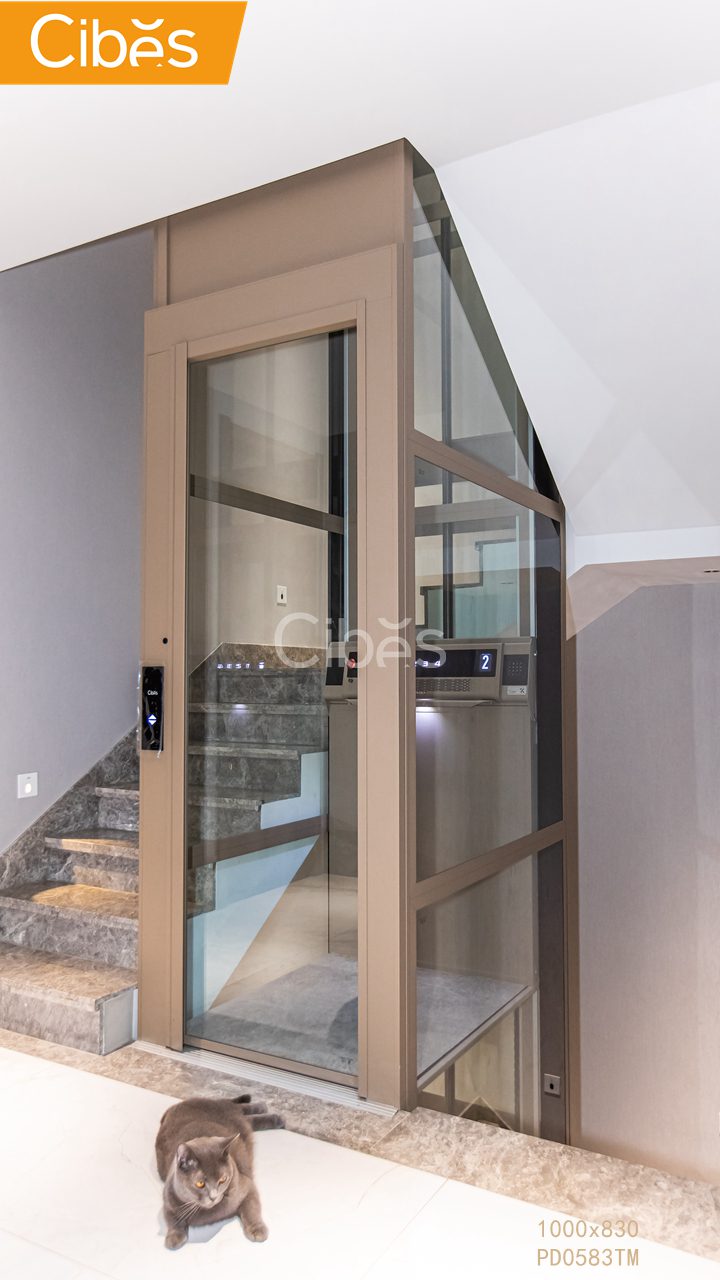
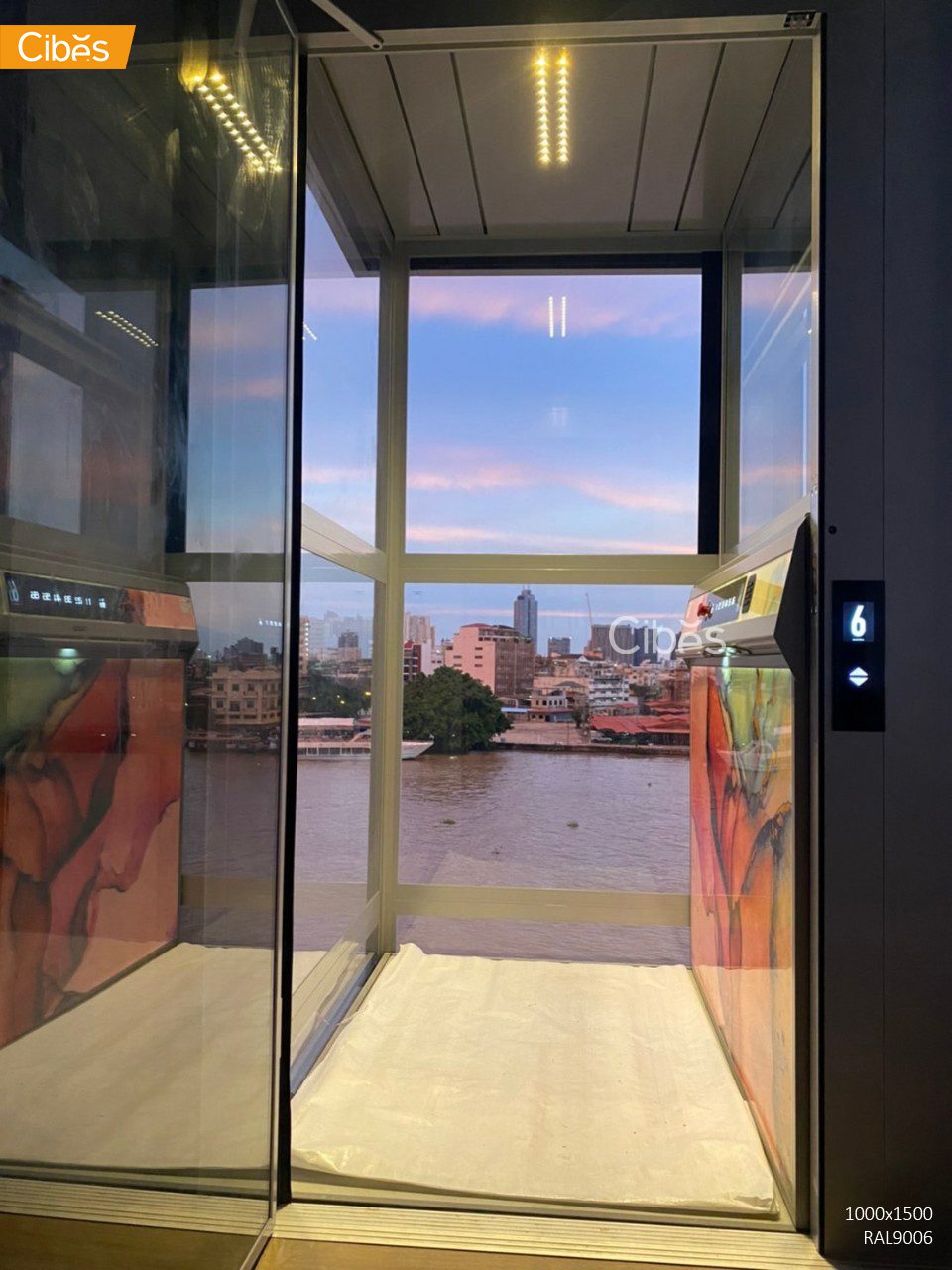
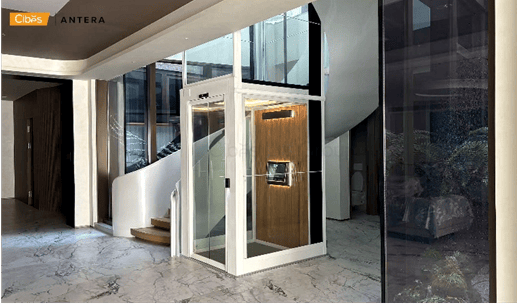
Many screw driven home elevators use a glass shaft or transparent panels. This can help elderly users feel less enclosed. It also allows family members to see inside the lift more easily if assistance is needed.
Better fit for modern family homes
In a family home, especially a townhouse or villa with limited construction space, a compact elevator with simple installation requirements is often easier to plan and use over the long term.
3.2. Are hydraulic elevators a good option for elderly users?
Hydraulic elevators can work well in some homes, especially where there is enough technical space and the project is planned from the start.
Their advantages include:
- smooth vertical movement
- decent ride comfort
- strong lifting capacity
Still, there are limits to consider.
Hydraulic elevators rely on oil pressure. Over time, this means more maintenance and the possibility of wear or leakage. The pump system can also create noticeable noise during operation. For some elderly users, that noise may feel unsettling.
Hydraulic elevators can still be suitable in certain projects, but they are not always the easiest choice for occupied homes or families looking for a lower maintenance solution.
3.3. Are traction elevators suitable for elderly people?
Traction elevators are the most traditional elevator type and are widely used in many buildings. They work with steel cables, a motor, and a counterweight.
Their main benefits are:
- wide load capacity options
- suitability for taller buildings
- a familiar and common technology
But for older adults in private homes, traction elevators may come with trade offs.
They often move faster than necessary for elderly users. Their acceleration and deceleration can feel less gentle, especially in glass lifts where movement is visually more noticeable. In some cases, this may increase dizziness or discomfort.
Traction systems can also produce mechanical noise and vibration. In addition, many models require a deep pit and a separate machine room, which makes installation harder in existing homes.
So yes, traction elevators can work, but they are not always the most comfortable or practical option for seniors in a home environment.

4. What makes a home elevator more comfortable for older adults?
Comfort is not just a luxury. For elderly people, comfort is closely linked to confidence and safety.
A comfortable elevator for seniors should include:
- a steady ride with no sharp movement
- clear, large buttons
- easy to read symbols
- enough cabin space to stand or turn comfortably
- handrails for support
- soft lighting
- low noise
- easy entry for walkers or wheelchairs
- automatic doors if possible
When these details are done well, older users feel more relaxed. They are also more likely to use the elevator confidently on their own.
Many families do not think about a home elevator until an older parent needs one. By then, the house is already finished and in use.
In this situation, families usually need a lift that:
- fits into limited space
- avoids major structural changes
- can be installed with less disruption
- works well for everyday family use
A compact home elevator is often easier to integrate into stair voids, corners, or extension areas. This is why installation flexibility should be part of the buying decision from the beginning.

5. Why are Cibes elevators often considered suitable for elderly people?
Cibes Lift is a Swedish home elevator brand known for screw driven technology and compact lift solutions. For homes with elderly family members, this type of system is often considered suitable because it combines stable travel, user friendly design, and easier installation.
5.1. Swedish screw driven technology
Cibes elevators use screw driven technology designed for smooth, steady operation. This helps reduce vibration and creates a calmer ride for older users.
Typical travel speed is around 0.15 m/s, with some cabin models reaching 0.25 m/s, depending on the configuration. This speed range is often well suited to seniors because it feels controlled rather than abrupt.
5.2. No hydraulic oil
Because the system does not rely on hydraulic oil, there is no oil smell and no risk of oil leakage. This helps maintain a cleaner home environment and reduces one maintenance concern.
5.3. Elderly friendly design
Cibes home elevators are designed with usability in mind. Helpful features may include:
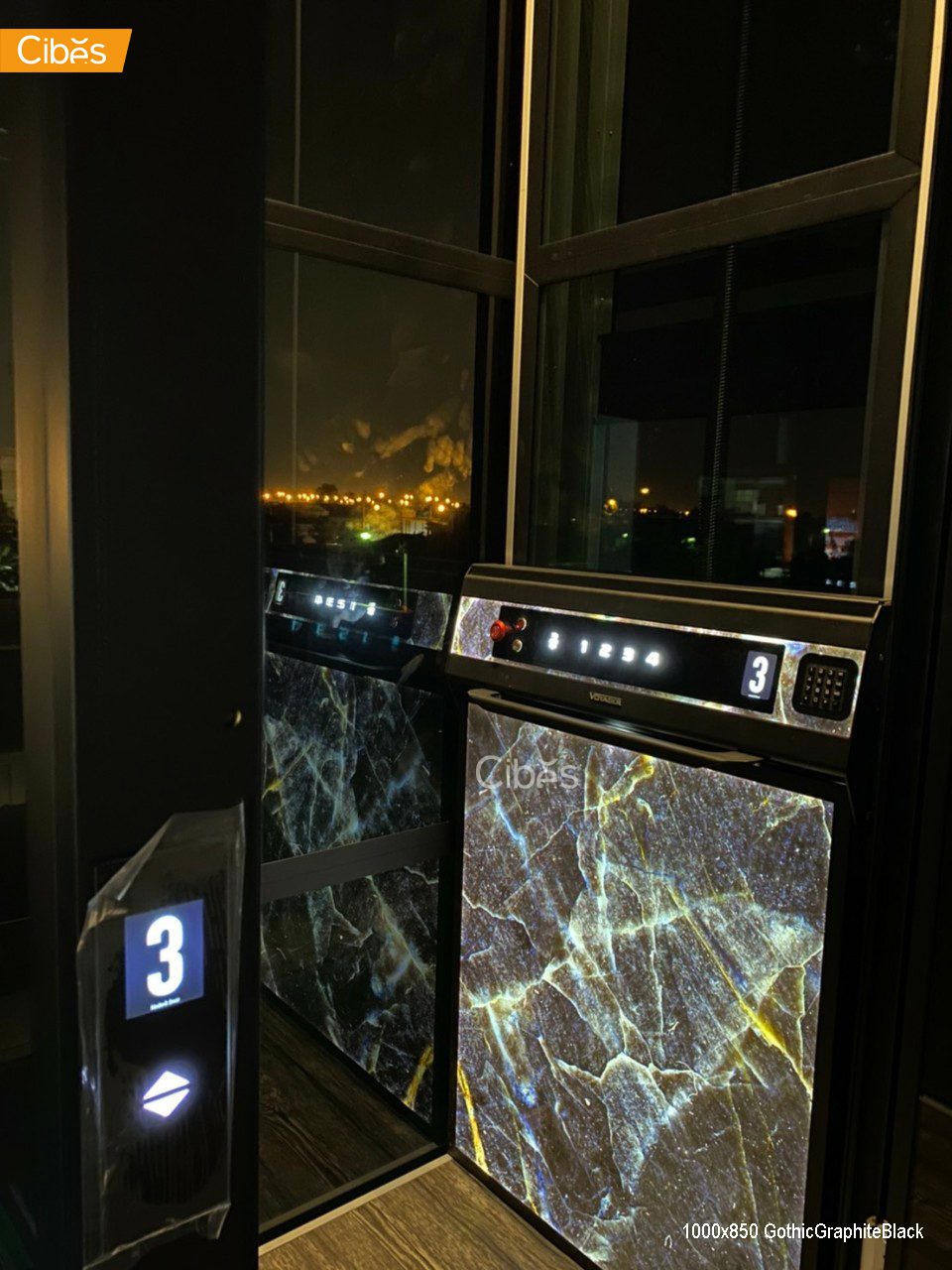
- large control panels
- clear symbols and lighting
- handrails
- transparent shaft design for visibility
- optional ramps for wheelchair access
- optional automatic doors for easier daily use
These features can make the lift easier and more comfortable for elderly users.
5.4. Flexible installation in occupied homes
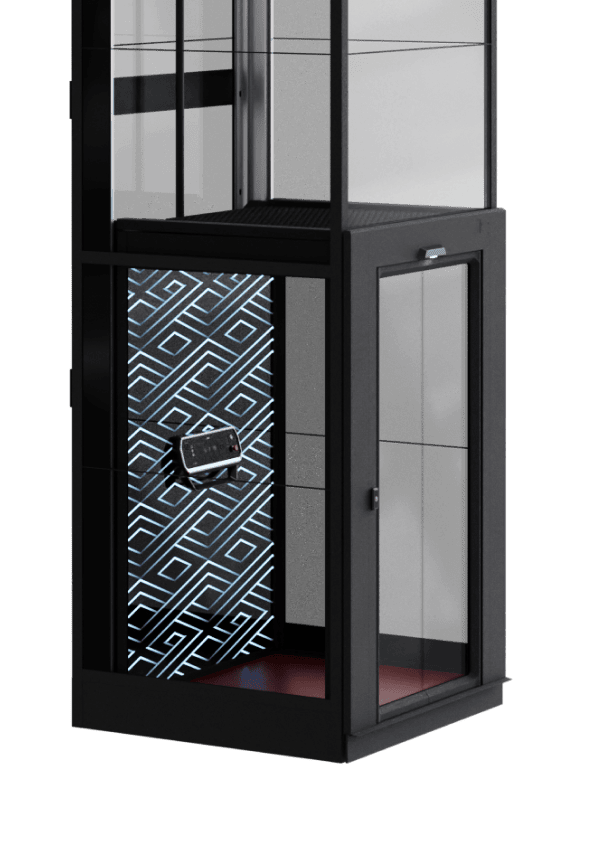
Since many Cibes models do not require a deep pit or a machine room, they are often easier to install in existing houses, including homes with limited space.
For families renovating a townhouse, villa, or multi floor private house, this can be a major advantage.
5.5. After sales support and maintenance
Proper maintenance matters as much as the product itself. Factory trained technicians, regular inspection, and clear service procedures help keep the elevator safe and reliable over time.
Conclusion
For most homes with older adults, the best elevator should be safe, stable, easy to use, and practical to install.
In many family homes, home lift are a strong option because they combine smooth travel, compact design, and easier installation. They are often especially suitable for elderly users who need a calm, predictable, and accessible ride every day.
The right choice, though, always depends on the user’s mobility, the house structure, and how the lift will be used over time
Home Elevator for Elderly: FAQs
The best elevator for elderly people is one that offers smooth, stable travel, easy controls, strong safety features, and enough space for comfortable use. In many homes, screw driven elevators are considered a good choice because they are steady, compact, and easier to install.
A speed of around 0.15 to 0.25 m/s is often suitable for elderly users because it provides gentle and controlled movement.
Yes, a screw driven elevator can be a safe option for elderly users when it includes the right safety features and is installed properly. Many models offer stable movement, safety sensors, emergency systems, and user friendly cabin design.
A common minimum size is around 1000 mm x 1250 mm, but larger sizes are usually more comfortable, especially if a caregiver or family member may need to enter with the wheelchair user.
Website: www.cibescambodia.com
Hotline: 011 837183/ 093 837183
Showroom: Near Chipmong 271 Mega Mall, House 261, Commercial Street, Phnom Penh, Cambodia

Kahna Pov is the Country Manager of Cibes Lift Cambodia, the official subsidiary of Cibes Lift Group from Sweden. With over 4 years of experience advising on residential lift solutions and coordinating projects, she has supported homeowners, architects, and project teams across Cambodia in selecting Cibes screw-driven lifts that are safe, space-saving, and well suited for private homes.





TL;DR: An imported lift can improve access to a villa, townhouse, or renovated home. Yet the word “imported” doesn’t prove that a lift is safe or suitable. Check the manufacturer, exact model, safety documents, usable space, shaft requirements, power supply, installation scope, warranty, maintenance plan, and spare-parts support in Cambodia. Arrange a site survey and […]
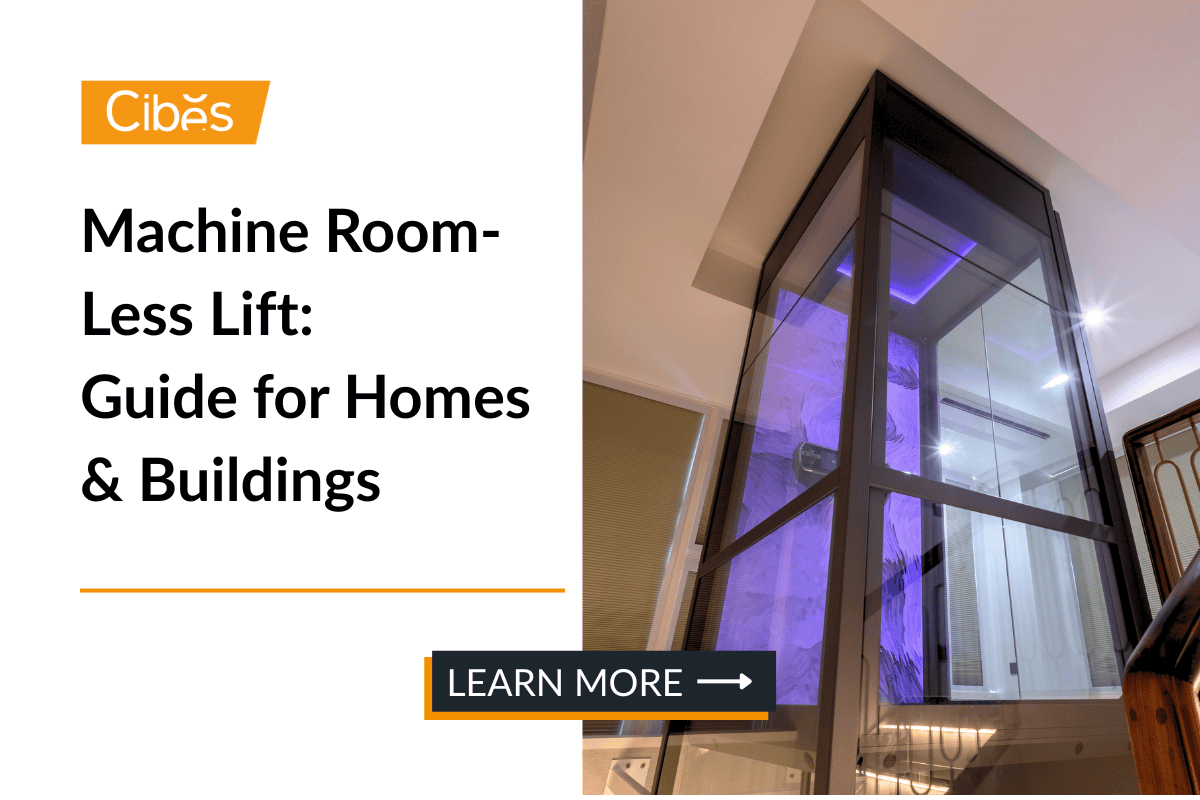
Whether you’re building a new home, renovating an ex isting property, or planning a commercial project, choosing the right elevator is an important decision. One of the most popular options today is the machine room-less lift. Unlike traditional elevators that require a separate machine room, a machine room-less lift integrates the drive equipment into the […]

In Cambodian villas, borey houses and shophouses, a home elevator can be installed in the middle of the staircase, beside the stairs, in an open stair void or outside the house. The right location depends on the available space, staircase design and structural conditions. TL;DR The best location for a home elevator depends on your […]
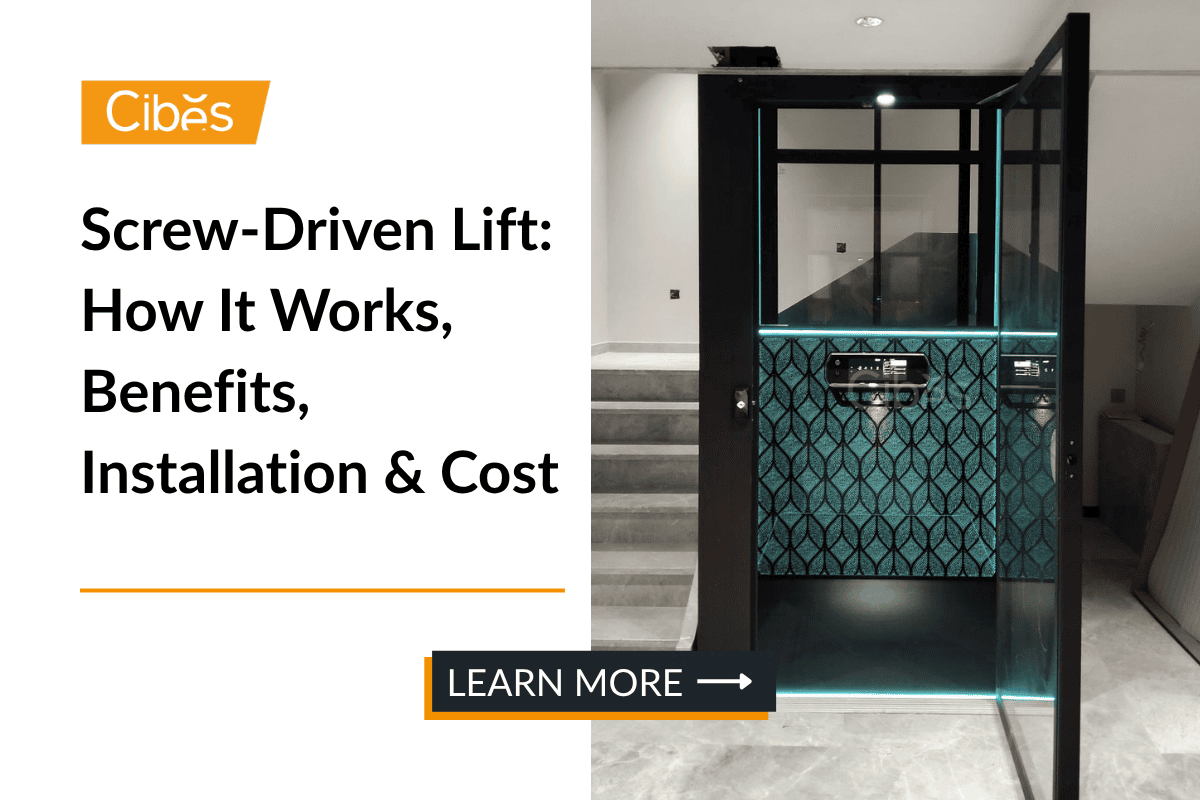
A screw-driven lift is a compact home lift that moves a lift with a motor, steel screw and drive nut. For Cambodian villas, borey houses, clinics and small buildings, it is often chosen because it can work without a machine room and with a shallow pit or ramp, depending on the model and site condition. […]
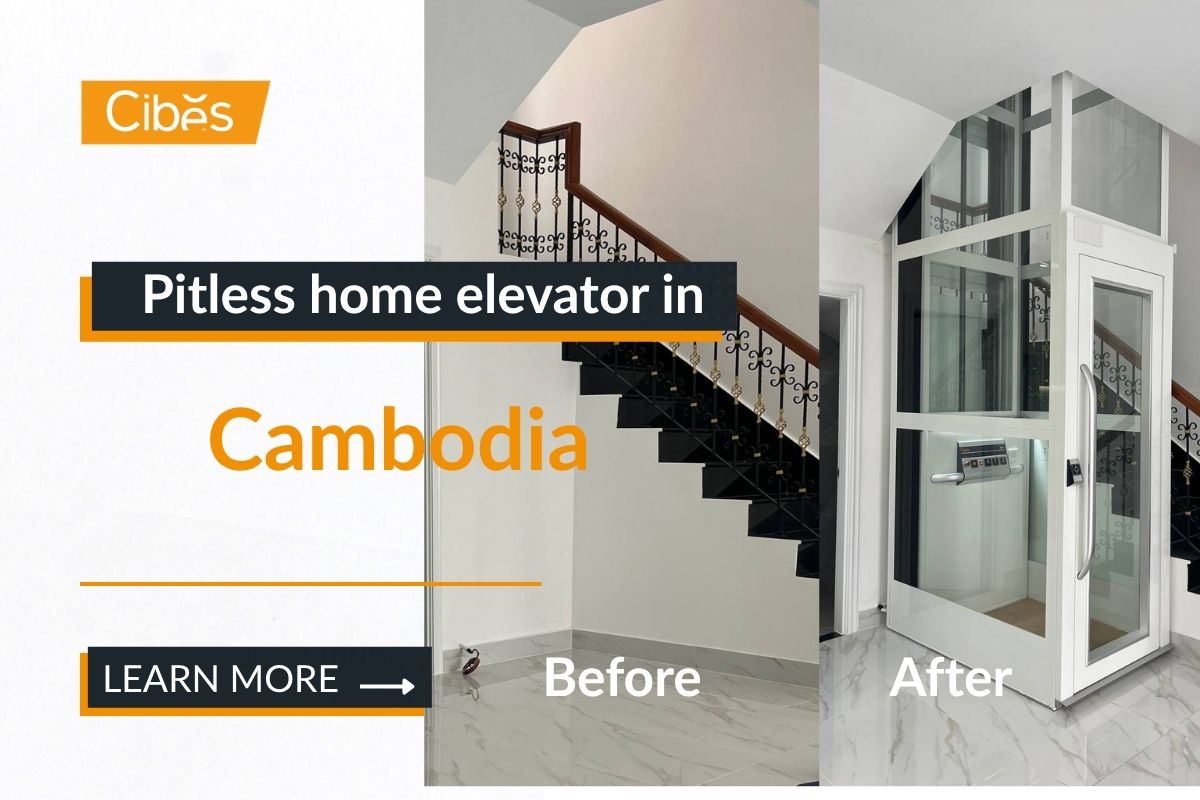
A pitless home elevator is a residential lift that operates with little or no pit below the lowest landing. A traditional home elevator needs a pit of about 600 to 1500 mm. A pitless lift works with 0 to 120 mm, so it can sit on a finished floor with minimal building work. TL;DR: This […]