

Blog - Date posted: 22/06/2026 - Date updated: 19/08/2026
Screw-Driven Lift: How It Works, Benefits, Installation & Cost
A screw-driven lift is a compact home lift that moves a lift with a motor, steel screw and drive nut. For Cambodian villas, borey houses, clinics and small buildings, it is often chosen because it can work without a machine room and with a shallow pit or ramp, depending on the model and site condition.
For many homeowners in Cambodia, this type of lift is a practical way to add safer access between floors without major building changes.
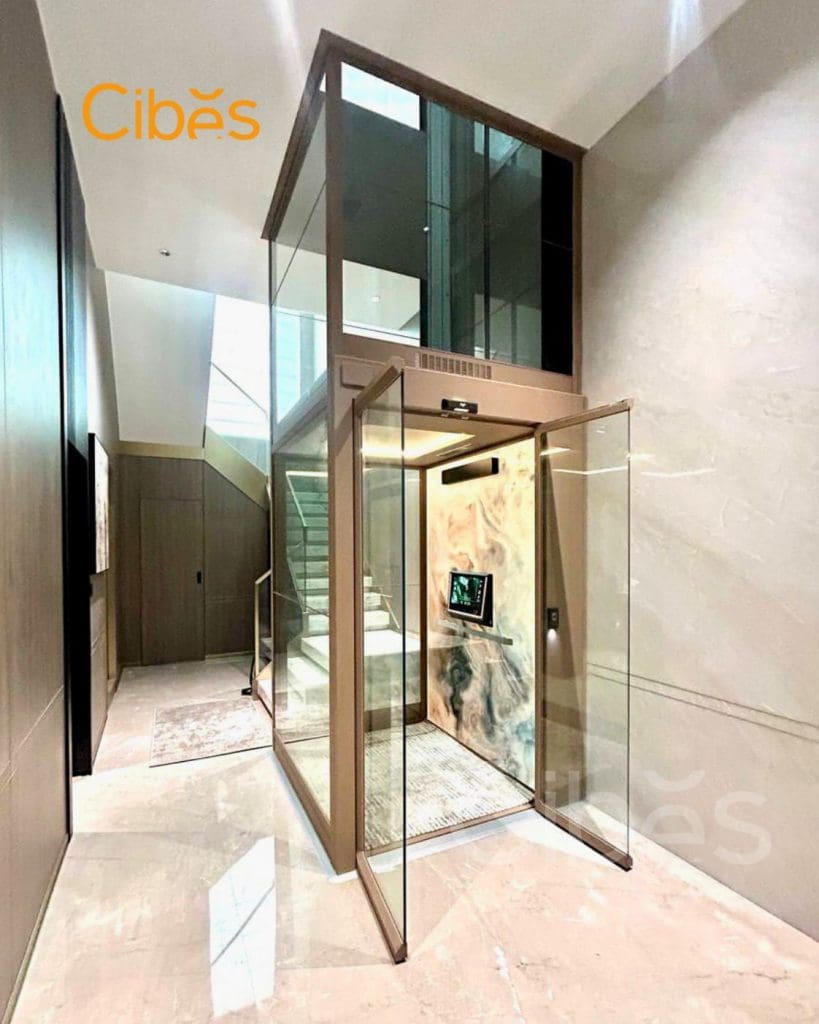
A screw-driven lift uses a motor, steel screw and drive nut to move the platform or cabin between floors. It is popular for homes because it usually needs less building work than many traditional elevator systems. It can often be installed without a machine room, and some models can use a shallow pit or ramp.
The right model still depends on the space, travel height, number of floors, door direction, users and site condition. A site check is the safest first step before choosing the final lift.
What is a screw-driven lift?
A screw-driven lift is a lift system that uses a steel screw, a drive nut and an electric motor to move a platform or cabin up and down. When the motor runs, the screw system moves the drive nut. This controlled movement carries the lift between floors.
This technology is commonly used for home lifts because it is compact, safe, and does not require a deep pit or machine room.
This type of lift is often used in private homes, villas, borey houses, and small commercial buildings.
How does a screw-driven lift work?
A screw-driven lift works through a simple mechanical system. The motor turns the screw. The drive nut moves along the screw. The platform or cabin is guided along the lift structure as it travels up or down. The lift control system manages starting, moving, slowing and stopping at each floor.
Think of it like a strong vertical screw system. The platform is guided along the lift shaft, while the drive system controls the movement between floors. The lift starts, travels, slows down, and stops at each landing through its control system.
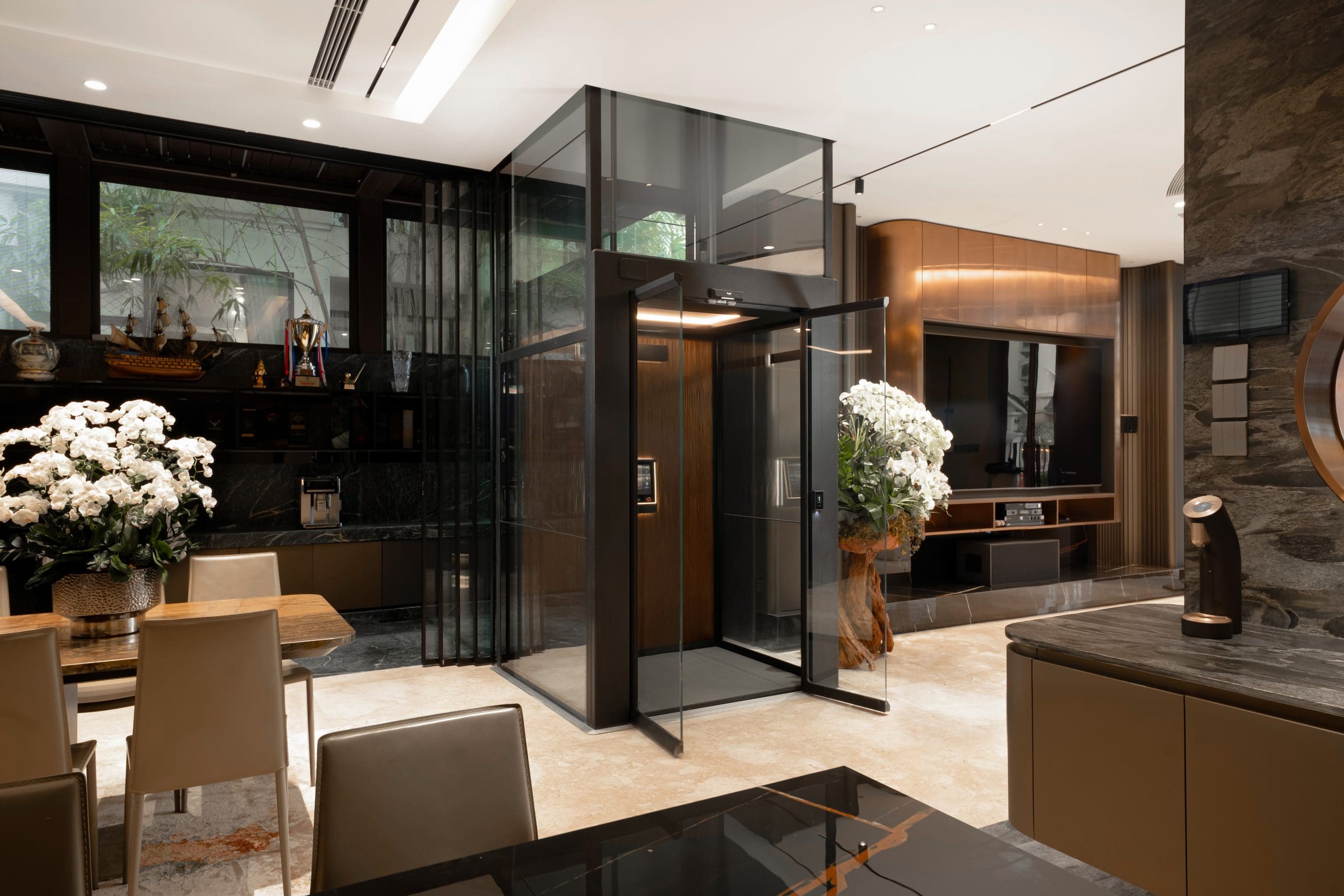
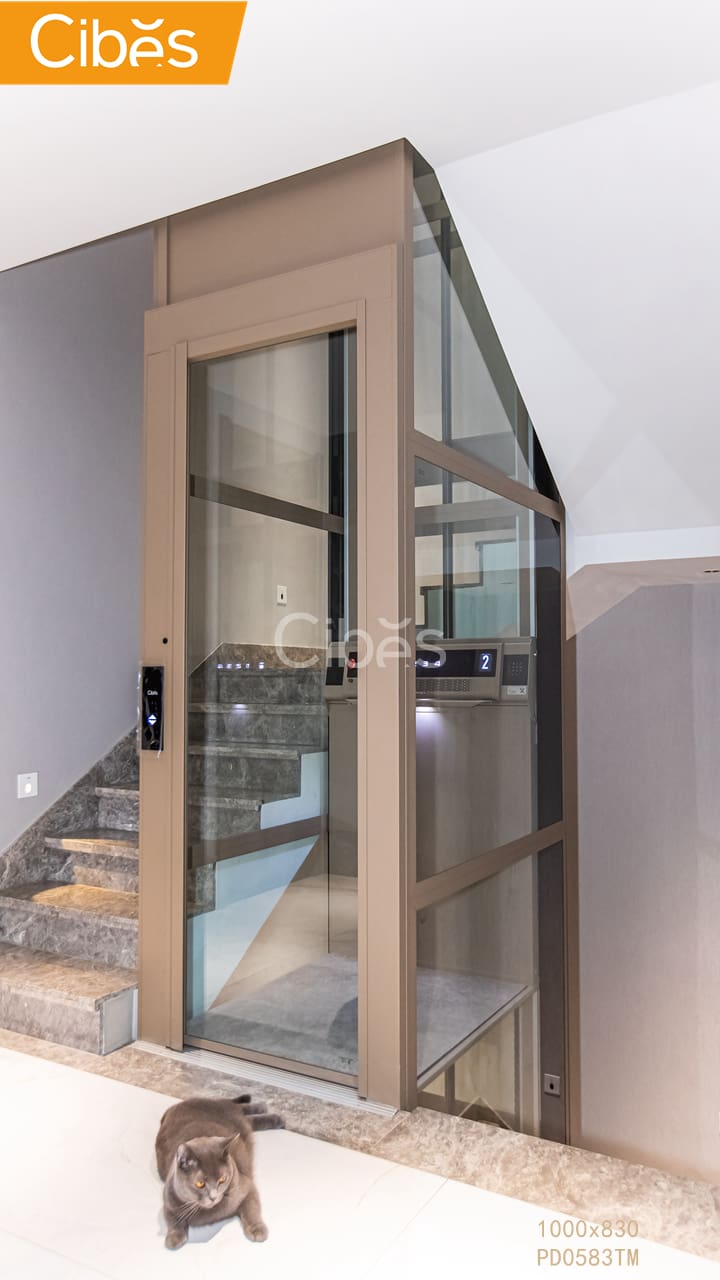
This is why many screw-driven home lifts come with their own shaft, and no machine room. For example, Cibes platform lifts can be installed with a ready made lift shaft, often using glass or steel panels. This helps the lift look neat and modern inside the home.
This is one reason screw-driven home lifts are popular in private homes. They can fit into compact spaces and can look clean inside a modern villa or townhouse.

How is a screw-driven lift different from traction and hydraulic lifts?
A screw-driven lift is different from traction and hydraulic lifts in the way it moves, the space it needs and the type of building work usually required.
| Lift type | How it works | Common use | Building needs |
|---|---|---|---|
| Screw-driven lift | Uses a motor, steel screw and drive nut | Homes, villas, low rise buildings | Often no machine room, shallow pit or ramp, compact installation, depending on model |
| Traction lift | Uses ropes, counterweights and a motor system | Taller buildings and passenger elevator projects | Usually needs more shaft space, deeper pit and more overhead space |
| Hydraulic lift | Uses oil pressure to move the lift | Low to mid-rise buildings | May need space for hydraulic equipment and oil system care |
A traction lift can be suitable for larger buildings with more public traffic.
A hydraulic lift can be strong and smooth, but it needs regular care for the hydraulic system.
A screw-driven lift is usually more suitable when the owner needs a compact lift for daily private use, especially where space and civil work are major concerns.
Why are screw-driven lifts popular for homes?
Screw-driven lifts are popular because they help homeowners add a lift without rebuilding the whole house. In many Cambodian villas, borey houses and shop houses, space is limited and the owner may not want a deep pit, large concrete shaft or machine room.
It can be installed in different areas of the house, such as:
- Inside the stair void
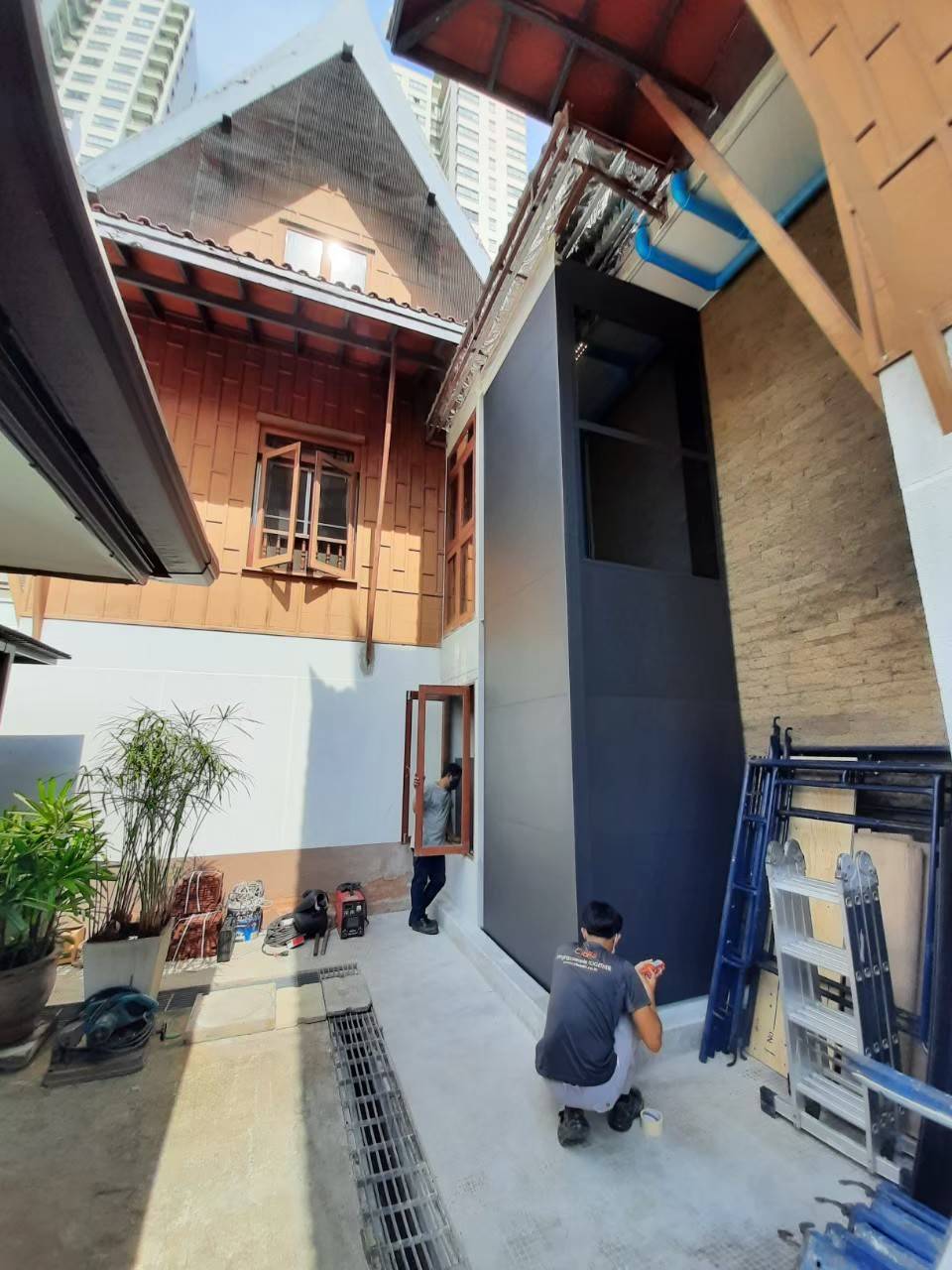
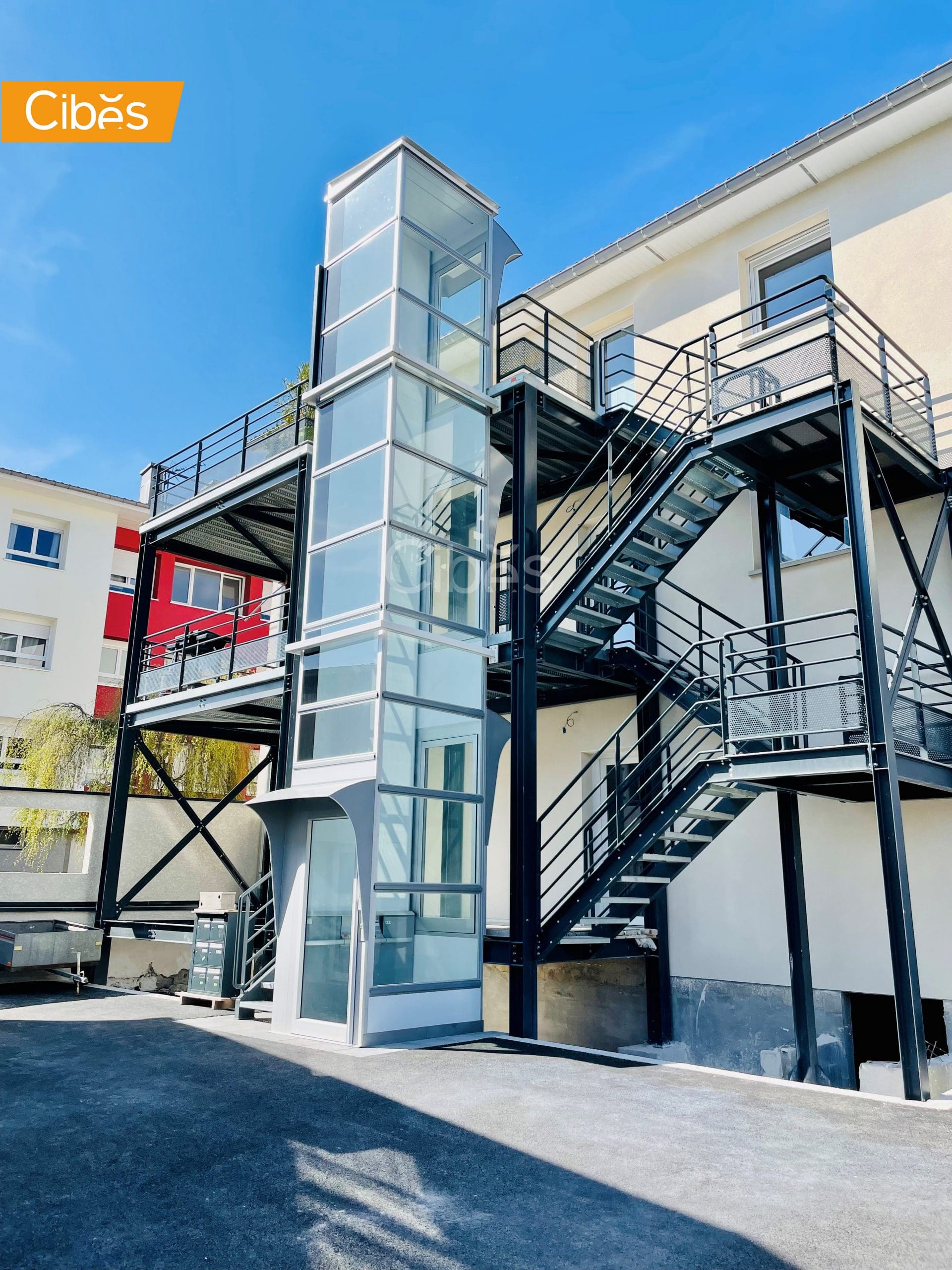
- Outside the house with suitable weather protection
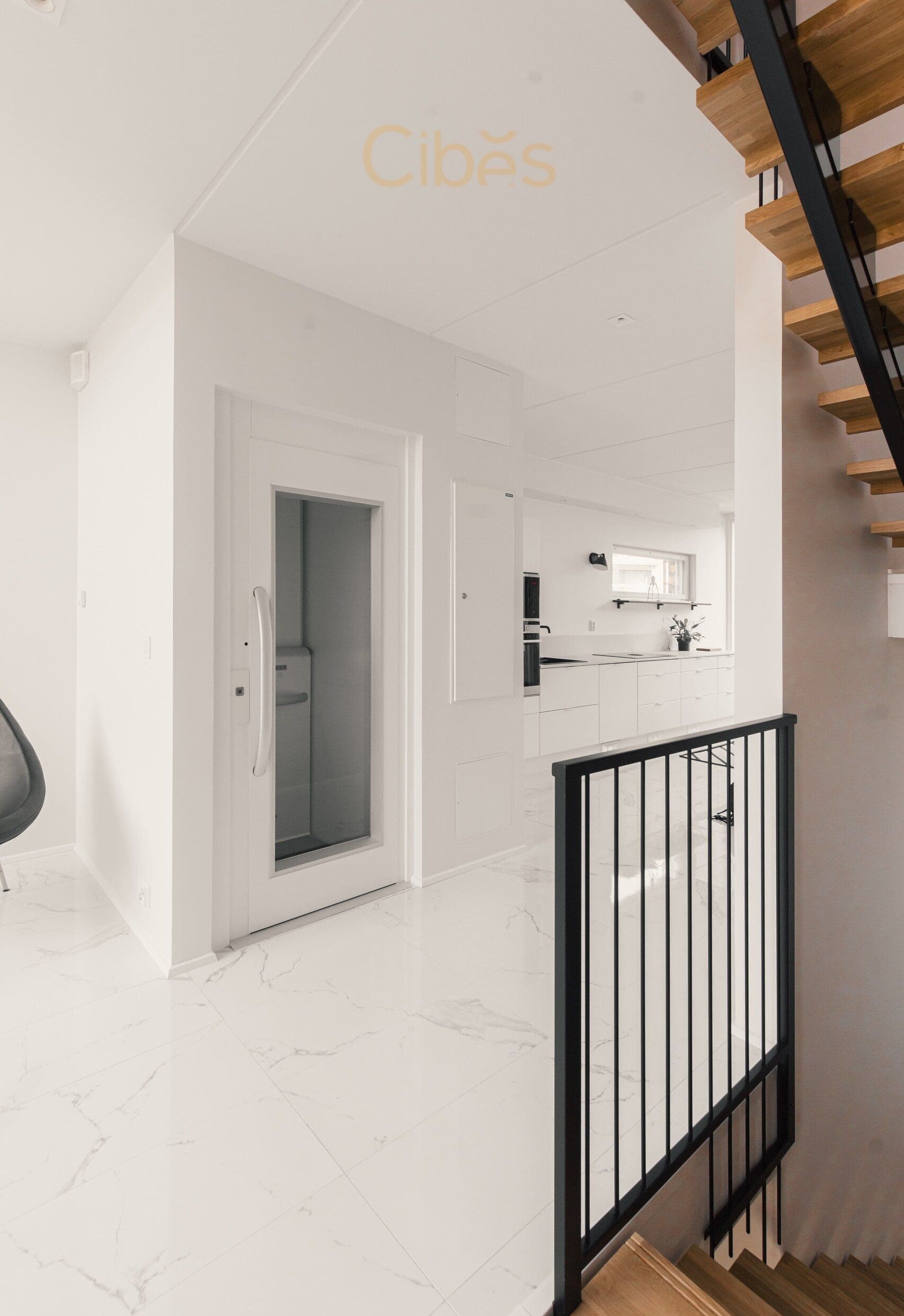
- Beside the staircase
- In a corner of the living room
The final location always needs a professional site check. Flexible installation does not mean every space will work. The team still needs to check structure, power supply, access route, travel height and safety clearance.
What are the main benefits of a screw-driven lift?
The main benefits of a screw-driven lift are compact design, lower civil work, easy placement, and safe daily use.
Here are the key benefits for homeowners and small building owners:
| Benefit | What it means | Best for |
| No machine room | Saves space and simplifies planning | Existing homes and villas |
| Shallow pit or ramp option | Reduces digging and floor impact | Finished houses |
| Compact shaft | Fits better in narrow layouts | Borey houses and shop houses |
| Stable low-rise movement | Supports daily access between floors | Private homes and clinics |
| Modern design | Glass and finish choices match interiors | Villas and showrooms |
The biggest point is not only the lift itself. It is the total project impact. A lower-cost lift with high civil work can become expensive later. A screw-driven lift may cost more than some basic offers at first, but the full project can be easier to control because the lift can include its own shaft and does not need heavy building changes.
What are the installation requirements for a screw-driven lift?
| Requirement | What to check | Why it matters |
| Space | Width, depth and landing clearance | Comfort and safe access |
| Pit or ramp | Model and floor condition | Avoids heavy civil work |
| Fixing points | Wall, floor and top support | Keeps installation safe |
| Power supply | Voltage and electrical route | Prevents delay before installation |
| Access route | Delivery and installation path | Avoids site handling issues |
| Site readiness | Floor opening, finishing and work sequence | Reduces delay before handover |
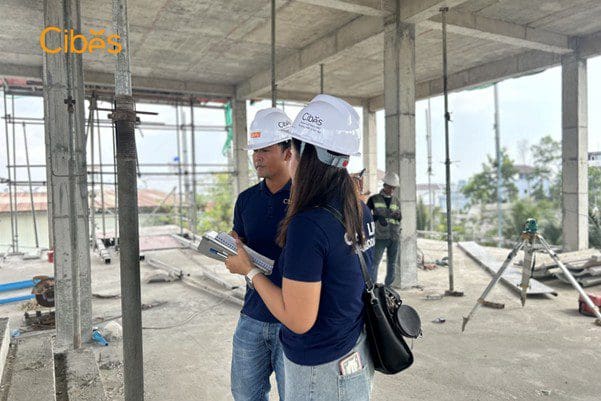
What makes a screw-driven lift easy to install?
A screw-driven lift works through a simple mechanical system. The motor turns a screw, and the lift moves up or down along the screw. This system is built into the lift structure, so the lift does not need a separate machine room.
This is one reason screw-driven home lifts are popular for private homes. They can fit into compact spaces and usually need less building work than many traditional elevator systems.
Many screw-driven home lifts can also be installed with a shallow pit or with a small ramp, depending on the model and site condition. For homes where digging is difficult, this can make installation easier. It also helps reduce the need to change the floor, plumbing, basement area, or existing structure.
For homeowners who want to avoid deep pit construction, you can also read our guide about Pitless home lifts in Cambodia.
Where can a screw-driven lift be installed?
A screw-driven lift can be installed in many types of low rise buildings. The best location depends on the building layout, travel height, floor opening, and user needs.
Common installation areas include:
- Inside the stair void, when the stair opening has enough space
- Beside the staircase, especially in villas with open living areas
- In a corner of the living room
- Outside the house with suitable weather protection
For Cambodia, many projects are in private villas, borey houses, and low-rise building. These buildings often need a lift for comfort, elderly access, or customer access, but they do not always have space for a traditional elevator. It is good fit because the design is more flexible.
However, flexible does not mean every location will work. A professional site check is still needed before confirming the model and size.
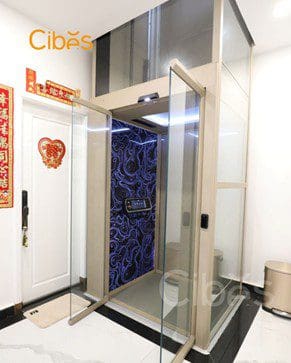
How much space does a screw-driven lift need?
The space depends on the lift model, platform size, door type, and shaft design. A compact home lift can fit into much smaller spaces than many traditional elevators, but it still needs enough space for safe and comfortable use.
For Cibes home lift projects, the right size is usually selected after checking:
- Number of users
- Wheelchairs need or standing use only
- Available width and depth
- Number of floors
- Door direction
- Stair or wall position
- Interior design preference
It is better to choose a size that feels comfortable for daily life, not only the smallest size that can fit. A lift is a long-term part of the home. Saving a little space now may create daily discomfort later.
What should homeowners know before buying a screw-driven lift?
Before buying a screw-driven lift, homeowners should look beyond the product price. The lift must fit the building, the family, and the long-term use.
A good lift plan starts with the site. The team should check the available space, number of floors, travel height, door direction, fixing points, and power supply. The owner should also think about who will use the lift most often.
Will it be mainly for elderly parents? Will it need to support wheelchair use in the future? Will it be installed inside or outside? These questions help the team recommend the right model and size.
Is a screw-driven lift safe?
Yes, a properly designed and installed screw-driven lift is safe for home and low-rise building use. Safety depends on the lift design, safety devices, installation quality, maintenance and correct daily use.
Cibes screw-driven lifts are designed for private homes and low-rise access. Depending on the model, safety features may include:
| Safety feature | Purpose |
| Emergency lowering | Helps the user reach a landing during power failure |
| Door locks | Helps prevent unsafe door opening |
| Safety edges or light curtain | Helps detect obstruction during movement |
| Platform controls | Allows controlled movement by the user |
| Overload protection | Helps prevent unsafe use above rated capacity |
| Controlled movement | Supports steady travel and stopping |
| Alarm or emergency button | Allows the user to call for help |
Cibes lifts are designed and tested according to European safety standards, including EN 81-41 for vertical lifting platforms. Certificate details should be linked on the final published page so readers can verify the claim.
The screw-driven system itself is also known for stable low-rise movement. Since it does not use suspension ropes like a traction elevator, many homeowners feel confident about the mechanical design.
For families with elderly users, children or wheelchair users, safety is not a small detail. It is one of the main reasons to choose the right lift and the right installation team.

What affects the cost of a screw-driven lift?
The cost of a screw-driven lift in Cambodia depends on the full project, not only the lift unit.
For a basic home lift project, the price can start from around USD 15,000 to USD 40,000 or more. For larger homes, more stops, outdoor installation, or premium finishes, the total cost can be higher.
Main cost factors include:
| Cost factor | Why it affects price |
| Number of stops | More floors usually mean more lift structure and work |
| Travel height | Higher travel may require different technical planning |
| Platform or cabin size | Larger size can increase material and installation needs |
| Shaft type | Glass, steel and finish choices affect cost |
| Indoor or outdoor installation | Outdoor work may need roof, canopy and weather protection |
| Door type and direction | Door design affects layout and project planning |
| Site condition | Existing homes may need special preparation |
| Design options | Color, flooring, glass and cabin finishes affect final price |
| Warranty and maintenance | After-sales support should be included in the full review |
For example, a simple 2 stops lift installed in a prepared indoor space will usually cost less than a 3 stops or 4 stops lift with a glass shaft, outdoor roof, canopy, special color, or more complex installation work.
When checking the price, homeowners should not compare only the lift unit. It’s better to check what is included in the quotation, such as:
- Lift model and platform size
- Shaft or structure
- Installation cost
- VAT and import cost
- Delivery to site
- Warranty and maintenance
- Site checking and preparation work
A cheaper lift offer can look attractive at first. But if key items are excluded, the final cost may become higher than expected.
For the most accurate screw-driven lift price in Cambodia, Cibes Lift Cambodia recommends a free site check. This helps confirm the right model, size, number of stops, and installation method for the home.
Why choose a Cibes screw-driven lift in Cambodia?
Cibes is part of Cibes Lift Group, a Swedish lift company known for screw-driven platform lifts for homes, villas, and low-rise buildings. In Cambodia, Cibes Lift Cambodia is a subsidiary of Cibes Lift Group, a Swedish lift company, not an agent or reseller. This gives homeowners direct support from consultation to installation and after sales service.
A Cibes screw-driven lift is designed to reduce building work while giving families safe and comfortable access between floors. It can be a good fit for villas, borey houses, shop houses, and small buildings where space is limited.
For many homes in Cambodia, a full traditional elevator system can be difficult to add. It may need more civil work, a deeper pit, or more space for the lift structure. A Cibes lift with its own shaft can help solve this problem in a cleaner and more practical way.
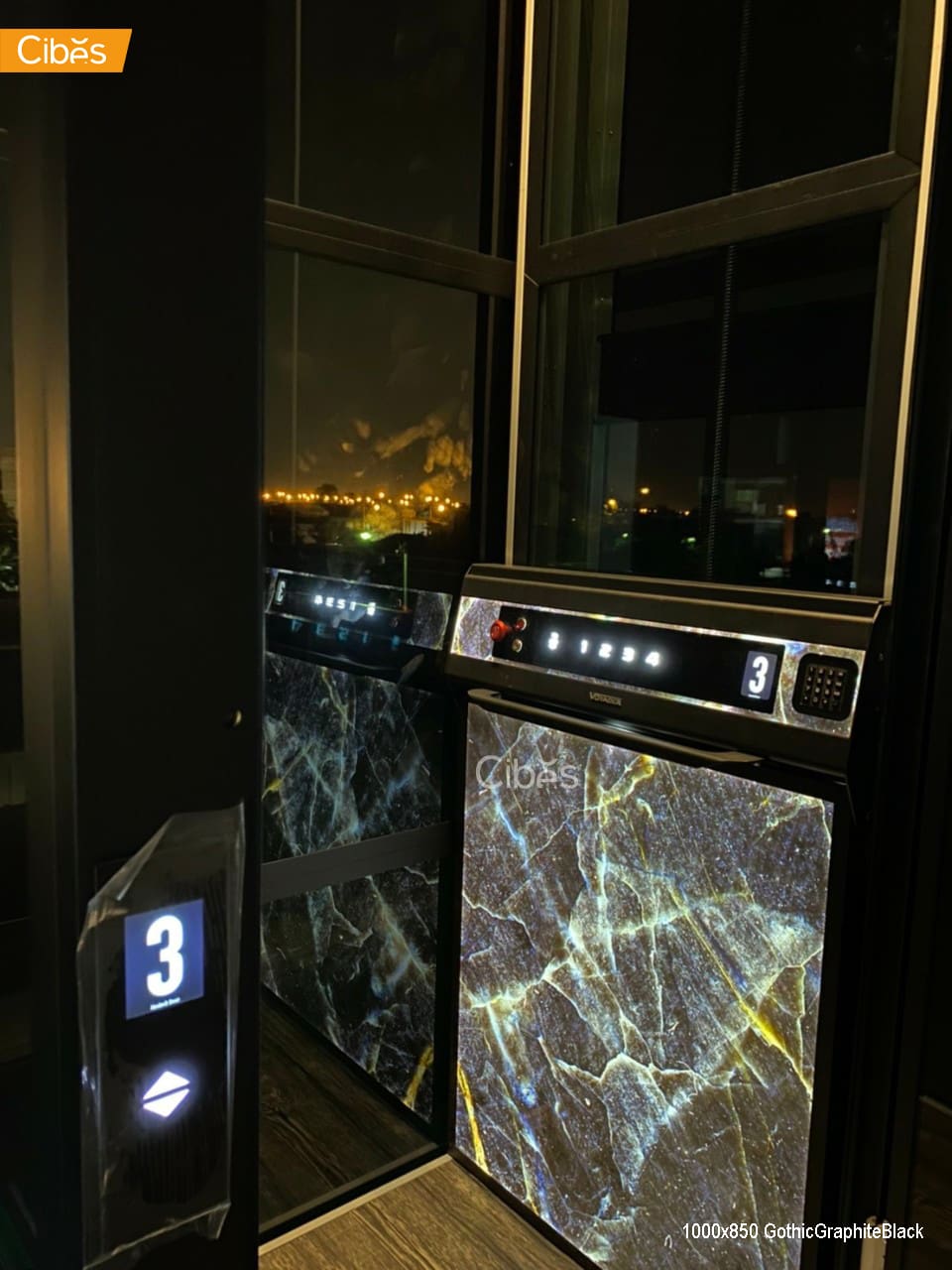
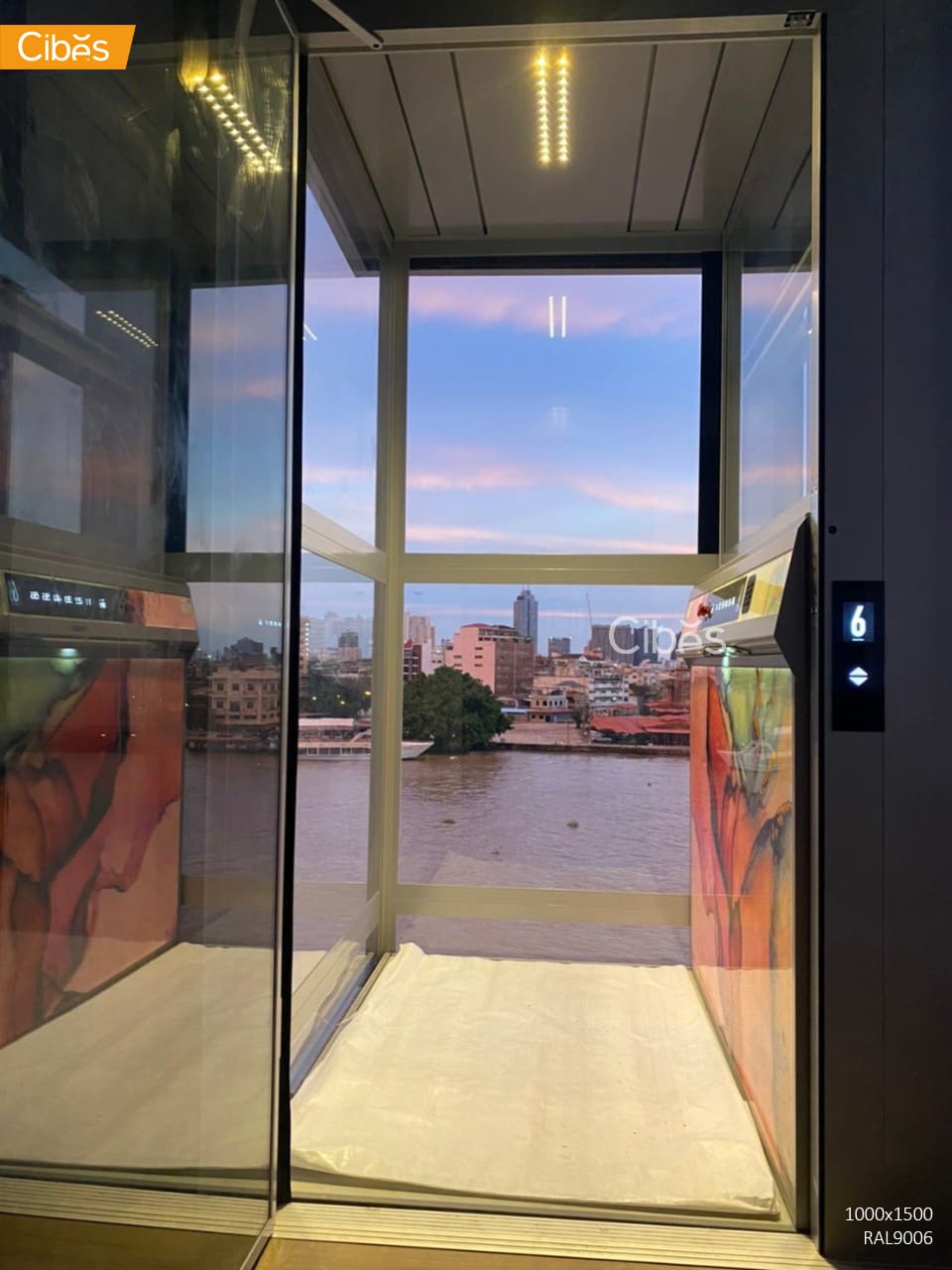
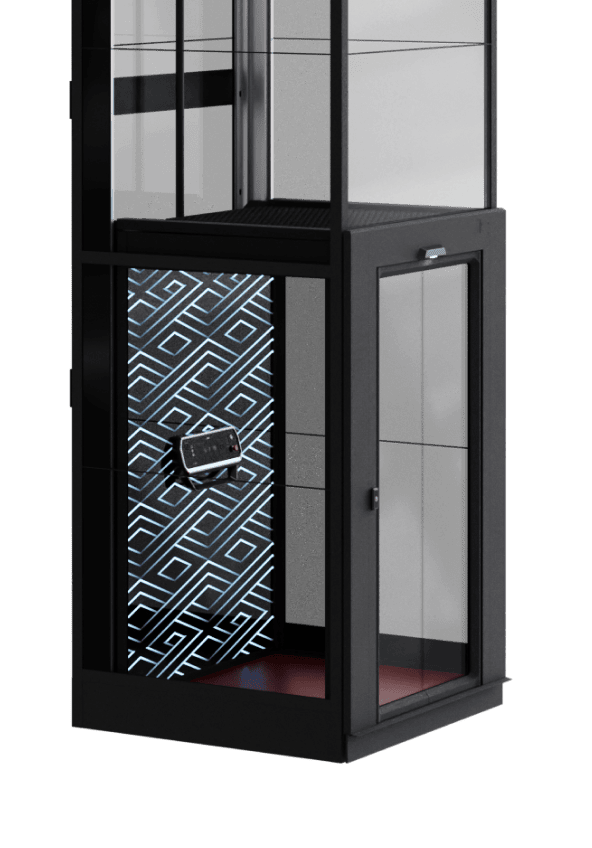
Cibes lifts can also match modern home design. Glass shaft panels, platform finishes, different colors, and door choices help the lift blend with the interior. Instead of looking like a heavy machine, the lift can become part of the house design. The main value is simple: Swedish lift design, local installation support, less civil work, safe daily movement, and better comfort at home
To better understand how long dose the installation takes, you can watch the video below:
FAQ about screw-driven lift
Is a screw-driven lift good for home use?
Yes. It is suitable for homes, villas and small buildings because it needs less space and less civil work than many traditional elevator systems.
Does a screw-driven lift need a deep pit?
Usually no, only 0 – 120mm. Many screw-driven home lifts can use a shallow pit or ramp, depending on the model and site condition.
Is a screw-driven lift good for elderly users?
Yes. A screw-driven lift is a good choice for elderly users because it makes moving between floors safer and easier.
It helps reduce the risk and effort of using stairs every day. For better comfort, homeowners should choose the right platform size, door type, lighting, handrail, and floor-level access.
Conclusion
A screw-driven lift is a practical choice when a home or small building needs safe access between floors without heavy construction. For Cambodian villas, borey houses and shop houses, the right lift depends on space, travel height, users, door direction and site condition. Start with the site, then compare the full project cost before confirming the final model.
_____________________________________
Cibes Lift Cambodia – Official subsidiary of Cibes Lift Group
Website: www.cibescambodia.com
Hotline: 011 837 183/ 093 837 183
Showroom: Near Chip Mong 271 Mega Mall, House 261, Commercial Street, Phnom Penh, Cambodia

Kahna Pov is the Country Manager of Cibes Lift Cambodia, the official subsidiary of Cibes Lift Group from Sweden. With over 4 years of experience advising on residential lift solutions and coordinating projects, she has supported homeowners, architects, and project teams across Cambodia in selecting Cibes screw-driven lifts that are safe, space-saving, and well suited for private homes.





TL;DR: A villa lift makes a multi-storey home easier to use for older adults, wheelchair users, children, and anyone carrying heavy items. When choosing a villa lift in Cambodia, compare the available space, stops, travel height, door layout, safety standard, complete installed price, warranty, and local service. What is a villa lift? A villa lift […]
Choosing the right commercial lift for a low-rise building depends on how the property is used, who needs access, and how much space is available. A shop, clinic, office or boutique hotel may not require the same elevator system as a busy high-rise. For many projects in Cambodia, a scew driven lift can provide practical […]

TL;DR: An imported lift can improve access to a villa, townhouse, or renovated home. Yet the word “imported” doesn’t prove that a lift is safe or suitable. Check the manufacturer, exact model, safety documents, usable space, shaft requirements, power supply, installation scope, warranty, maintenance plan, and spare-parts support in Cambodia. Arrange a site survey and […]
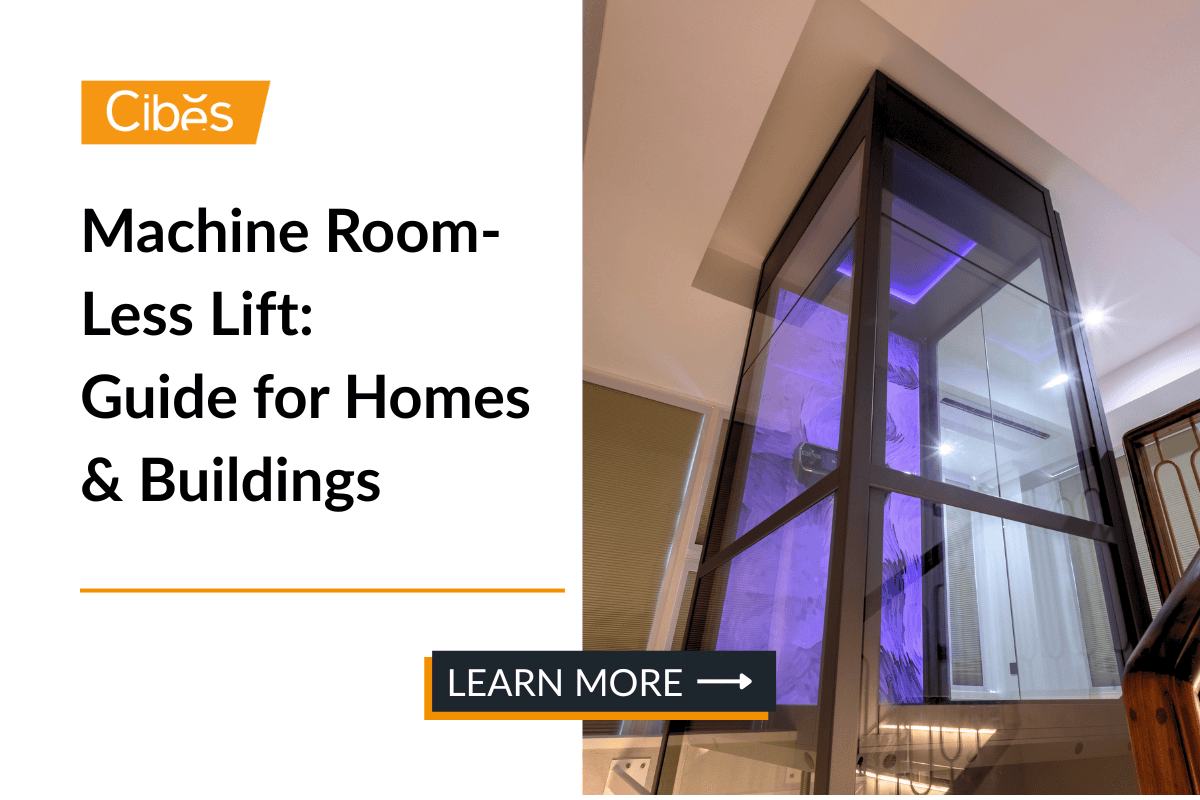
Whether you’re building a new home, renovating an ex isting property, or planning a commercial project, choosing the right elevator is an important decision. One of the most popular options today is the machine room-less lift. Unlike traditional elevators that require a separate machine room, a machine room-less lift integrates the drive equipment into the […]

In Cambodian villas, borey houses and shophouses, a home elevator can be installed in the middle of the staircase, beside the stairs, in an open stair void or outside the house. The right location depends on the available space, staircase design and structural conditions. TL;DR The best location for a home elevator depends on your […]